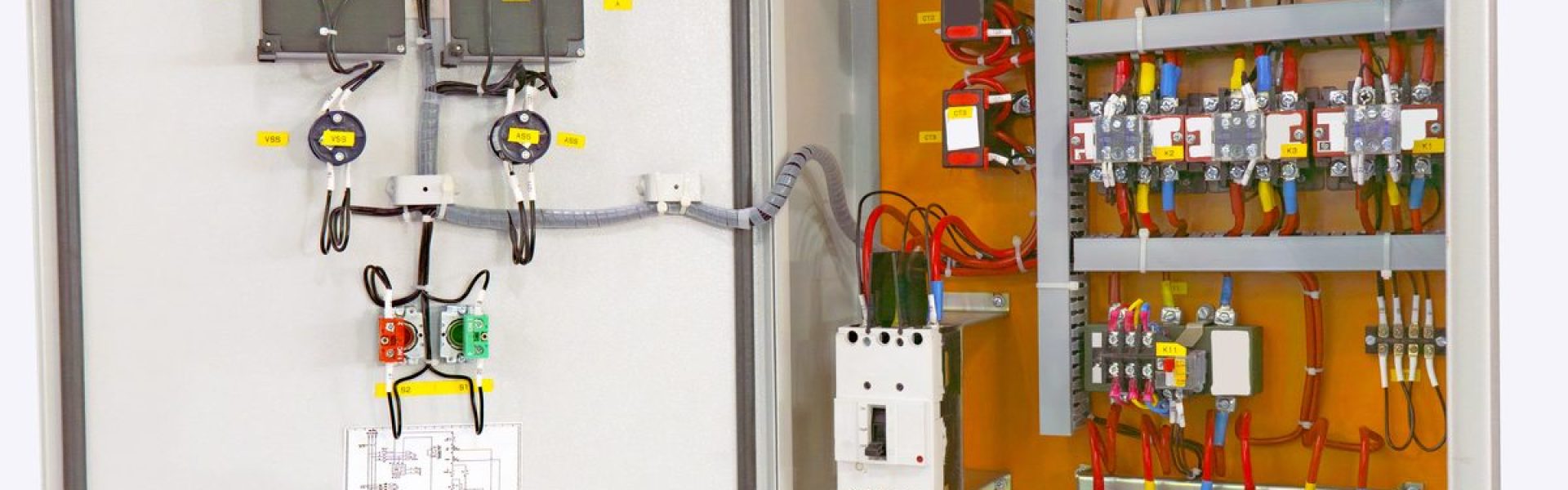
Most homeowners don’t spend much time thinking about their electrical panel until something stops working. That’s understandable. The panel sits behind a metal door in a utility room or basement, and as long as the lights come on and the breakers hold, there’s no obvious reason to pay attention.
But working with a trusted electrician in Greensboro, NC, one thing becomes clear quickly: most homeowners notice warning signs for a while before deciding to pick up the phone.
Catching a panel problem early matters. Some signs a panel is struggling are obvious enough to get immediate attention, but others are slow-burn symptoms that are easy to dismiss or explain away. If any of the patterns below sound familiar, it’s worth having a licensed electrician take a look before things get worse.
Your Breakers Keep Tripping Without a Clear Reason
A breaker that trips when you’re running a heavy load is doing its job correctly. A breaker that trips repeatedly without an obvious cause is different.
Frequent unexplained trips usually indicate one of three issues: the circuit is being overloaded regularly, the breaker itself has worn out and is no longer holding reliably, or there’s a wiring problem somewhere on that circuit that creates enough resistance and heat to trip the breaker even under normal load conditions.
Resetting the same breaker repeatedly is not a fix, it’s a signal that something needs to be diagnosed. We address this kind of issue as part of our assessment process for service panel upgrades, and we always explain what we found before recommending any course of action.
Understanding the cause of the tripping is what determines whether the right fix is a breaker replacement, a circuit modification, or a full panel upgrade.
The Panel Feels Warm or You Notice a Burning Smell
An electrical panel that feels warm to the touch is not working the way it should. Some heat during normal operation is fine, but if you can actually feel warmth on the panel door, on individual breakers, or smell burning anywhere near it, that’s a different story. That is a different story.
Those symptoms can point to loose connections, overloaded circuits, or internal arcing. All of these are fire risks if they are not dealt with. It’s the kind of thing that gets worse the longer it sits.
If you ever catch a burning smell near your panel, that is a same-day call. Not tomorrow. Not after the weekend. We have talked with homeowners who waited because the lights were still on, and that wait is exactly what turns a manageable problem into something a lot more serious.
The lights staying on does not mean everything is fine. If you want to upgrade your electrical panel before a small warning sign becomes a real emergency, call (336) 499-2015 and we will walk you through what you are dealing with before you commit to anything.
You're Still Running a Fuse Box or an Outdated Panel Brand
A fuse box in an older home isn’t inherently dangerous in the way it was originally designed to function, but it creates real practical problems in a modern house. Fuse boxes can’t handle the electrical loads that today’s households require, and they don’t provide the same level of fault protection that a modern circuit breaker panel does.
Many homeowners’ insurance carriers either won’t cover homes with fuse boxes or charge noticeably higher premiums, which adds a financial dimension to an already outdated setup.
Certain circuit breaker panel brands manufactured during specific periods have also been documented to have performance issues, including Federal Pacific Electric (FPE Stab-Lok) and Zinsco panels, both known for breakers that can fail to trip during an overload.
If you’re not sure what brand your panel is or when it was installed, a visual inspection from a licensed electrician gives you a clear answer.
| Consideration | Fuse Box | Modern Breaker Panel |
|---|---|---|
| Handling an overload | Fuse burns out and must be replaced | Breaker trips and can be reset |
| Load capacity | Limited for today’s appliances | Sized for modern household demand |
| Insurance | Often higher premiums or declined coverage | Standard coverage in most cases |
Your Home Can't Keep Up With Modern Electrical Demands
A 100-amp panel correctly sized for a Greensboro home in 1965 is not the same as a correctly sized panel for that same home today. Decades of additions, central air conditioning, multiple bathrooms with electric hot water, home offices, and kitchens full of high-draw appliances have dramatically changed the load picture.
When a panel regularly runs close to capacity, breakers trip more often, the risk of overheating increases, and the home can’t support the electrical additions most homeowners eventually want.
This becomes particularly clear when a homeowner wants to add something that draws significant load, such as:
- An EV charger
- A hot tub
- A whole-home generator connection
Rather than discovering the panel can’t support it after the contractor is already on-site, a load assessment ahead of time gives a clear picture of what the panel can handle. David Angel has been walking Greensboro homeowners through this kind of planning conversation since he started the business, and it’s one of the more useful things we can do before any new work begins.
You're Planning a Major Addition or Renovation
Any significant home renovation that involves electrical work, whether an addition, a kitchen remodel, a garage conversion, or a finished basement, is a natural point to evaluate what the panel can support.
Most of this work requires permits in Guilford County, and inspectors check the panel when they come through. An undersized, outdated, or visibly compromised panel gets flagged during that inspection, and finding that out mid project means delays and added cost. Having the panel assessed before construction starts lets the renovation scope get set around what the panel can actually handle.
None of the signs above are a reason to panic, but they are a reason to have a licensed electrician take a look before a minor issue becomes an expensive one. Triad Electric Solutions is licensed, bonded, and insured in North Carolina under NC License L.34449, and owner David Angel backs every job with a six month labor and workmanship warranty.
Triad Electric Solutions works across Sunset Hills, Irving Park, Lindley Park, Kirkwood, and Glenwood, and throughout Greensboro and the Triad area. Get a free estimate and find out what the panel can carry before the panel upgrade question turns into a mid renovation problem.
Frequently Asked Questions
How much does an electrical panel upgrade cost in Greensboro?
Simple diagnostic visits typically start between $75 and $150, but a full panel upgrade is quoted per job based on amperage, panel condition, and any code updates required. A licensed electrician can give a firm number after an on-site look at your specific panel.
Is a fuse box dangerous?
A fuse box in an older home isn’t inherently dangerous by original design, but it can’t handle modern electrical loads and doesn’t offer the same fault protection as a breaker panel. Many homeowners insurance carriers charge higher premiums for homes with fuse boxes or decline to cover them at all.
Do I need a permit for a panel upgrade in Greensboro?
Yes. Panel and service upgrades typically require a permit and inspection through Guilford County. A licensed electrical contractor handles the permit process as part of the installation, so it doesn’t fall on the homeowner to coordinate separately.
What panel brands are known to have problems?
Panels made by Federal Pacific Electric (FPE Stab-Lok) and Zinsco during certain manufacturing periods have documented histories of breakers failing to trip during an overload. If you’re not sure what brand your panel is, a visual inspection from a licensed electrician gives you a clear answer.