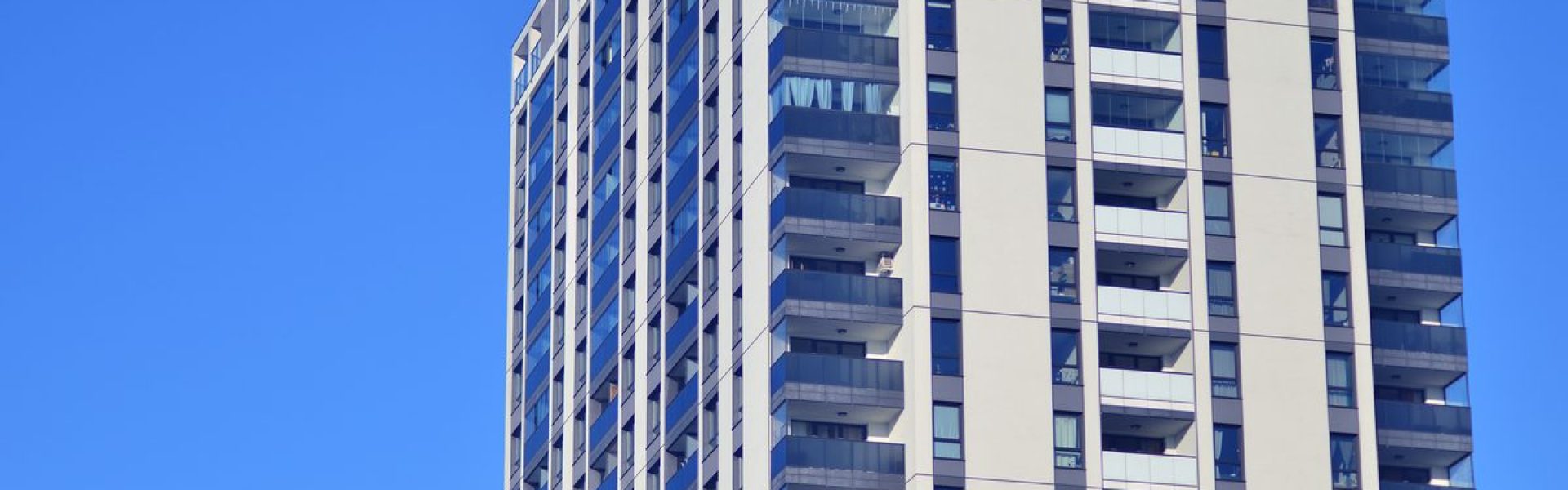
Electrical work in a high-rise condo involves variables that don’t come up in a single-family home project. Shared building systems, HOA approval processes, building management scheduling, and the density of electrical infrastructure running through a multi-unit structure all create a more involved environment for any upgrade or repair.
It’s a bit of a different world, honestly. Working with an experienced electrician who has handled multi-unit residential projects means you’re not figuring that out as you go.
The planning steps, permitting requirements, and contractor qualifications needed for condo electrical work differ significantly from what a standard residential project involves. Knowing those differences before you start saves time and avoids the surprises that slow things down mid-job.
Why High-Rise Condo Electrical Work Is Different
In a single-family home, the electrical system from the service entrance to every outlet belongs entirely to the homeowner. In a high-rise condo, that isn’t the case. The building’s main electrical service typically runs through shared infrastructure managed by the property owner or HOA, and individual units connect to that shared system through subpanels.
Any work that touches the subpanel or the wiring running through shared spaces requires coordination that goes well beyond what a standalone property involves.
Access adds another layer of complexity. Electrical conduit in a multi-story building runs through shared wall cavities, utility chases, and mechanical rooms. Getting to specific wiring often means coordinating access to parts of the building that aren’t under the unit owner’s direct control.
This work demands a contractor experienced in multi-unit building environments, not someone who has handled residential service calls and figures the rest out as they go.
| Single-Family Home | High-Rise Condo | |
|---|---|---|
| System ownership | Homeowner owns the full system | Unit connects to a shared subpanel |
| Approval needed | None beyond the permit | HOA and building management sign-off |
| Access | Direct access to all wiring | Coordinated access to shared chases and mechanical rooms |
Common Electrical Upgrades Condo Owners Request
Panel upgrades are among the most frequent electrical requests we see from condo owners in Greensboro. Units in buildings constructed in the 1980s and 1990s often have subpanels that the builders sized for the electrical demands of that era.
Adding a home office setup, upgrading kitchen appliances, or installing a wall-mounted mini-split HVAC system can push a smaller subpanel past what it was designed to handle. A proper panel upgrade brings the unit’s electrical capacity in line with current usage without creating load problems that ripple into the building’s main service.
EV charging is also coming up more often in condo upgrade conversations, which typically requires either a dedicated circuit from the unit’s subpanel to a parking space or coordination with building management around shared charging infrastructure in the parking structure. Beyond those two, we also handle:
- Outlet additions for updated furniture layouts or home offices
- Dedicated circuits for home office or workshop equipment
- Lighting upgrades, including recessed and under-cabinet lighting
- Kitchen or bathroom circuit work tied to a remodel
Coordinating With Building Management and HOA
Before any electrical work begins inside a high-rise condo in Greensboro, building management and the HOA typically need to be notified, and in most buildings, they need to grant explicit approval.
This step isn’t optional, and contractors who treat it as a formality can create problems for the unit owner, even when the work itself is done correctly. HOA rules around acceptable work hours, contractor access to elevators and common areas, equipment staging, and noise levels vary from building to building, and we need to account for them before work begins.
We treat the coordination phase as a standard part of the scoping process on any condo job. Before we schedule, we want to know what approvals are needed, what the building’s contractor access requirements are, and whether any planned work will require a temporary power disconnect that might affect neighboring units.
Getting that information early avoids mid-project complications that slow everything down and create friction with building management at the worst possible time.
Planning a condo upgrade? Get a free walkthrough quote before the HOA approval process starts, so you can settle the scope ahead of time.
Permit and Code Requirements for Multi-Unit Properties
Electrical work in multi-unit residential buildings in Greensboro falls under the same North Carolina licensing and permitting requirements as single-family homes. Permits are required for panel upgrades, new circuit installations, and other significant electrical modifications, and inspections need to be scheduled and passed before work is considered complete.
Multi-unit buildings differ in that the administrative process can be more layered, especially when work touches shared building systems or common areas.
We handle all permit applications and inspection scheduling as part of our standard scope on every job. The unit owner doesn’t have to manage that process on their own. Owners handling a mix of commercial and multi-unit properties often benefit from knowing about commercial electrical services, since the permitting overlap between the two property types comes up more often than people expect
Choosing the Right Contractor for Condo Electrical Work in Greensboro
Not every residential electrician has experience working in multi unit buildings, and the differences are significant enough to ask about directly before hiring.
A contractor who has only worked on single family homes may not know the HOA coordination process, may not be familiar with building subpanel configurations, and may not understand permitting requirements for work in a multi unit property. That gap shows up during the job as delays and back and forth that could have been avoided.
David Angel and the Triad Electric Solutions crew bring background across both residential and commercial electrical work in Greensboro, which is the foundation condo projects call for. Triad Electric Solutions holds NC Contractor License L.34449, issued by the NC State Board of Examiners of Electrical Contractors and verifiable at arls-public.ncbeec.org. Every condo job carries the same six month labor and workmanship warranty that backs residential and commercial work.
Communication with building management happens up front. Permitting and inspection steps are handled as part of the job, and work is scheduled to keep disruption low for the building and for the units next to the one being worked in.
Condo owners and property managers planning an electrical upgrade in Greensboro can start with a free estimate and a walkthrough of the scope. Triad Electric Solutions serves Lindley Park, Sunset Hills, Irving Park, Kirkwood, and Glenwood, along with Winston-Salem, High Point, Kernersville, and the rest of the Triad area, with same day appointments for most jobs and 24/7 emergency response. Call (336) 499-2015 to get on the schedule.