
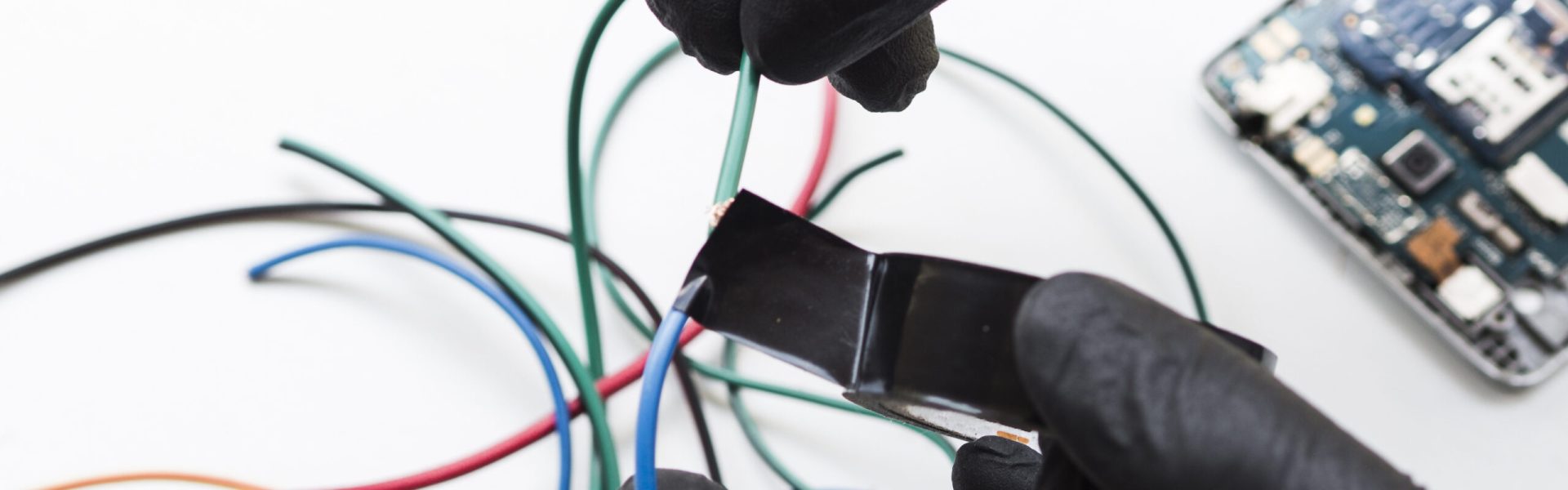
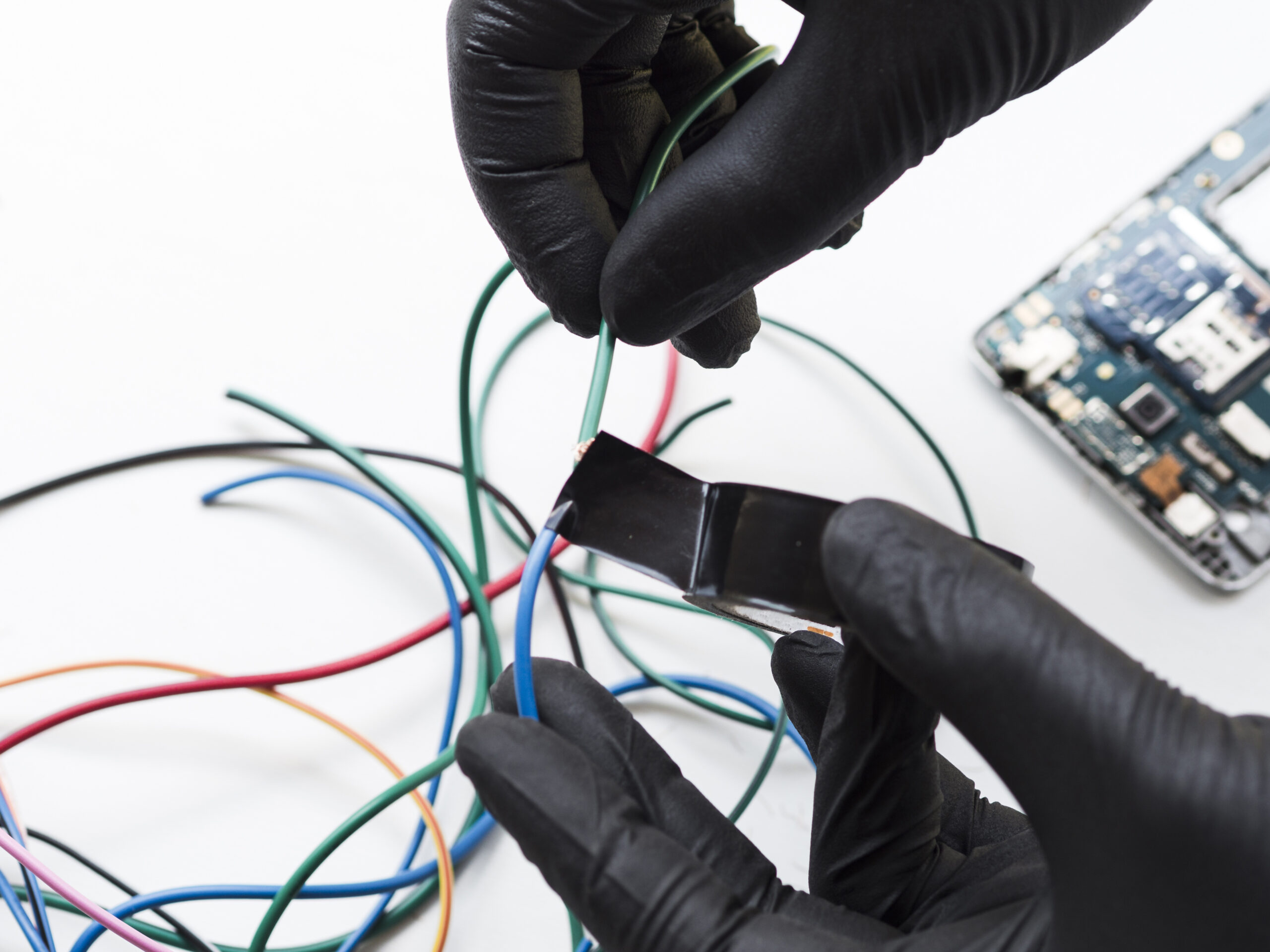
To apply electrical tape safely, start by selecting a type that is suited to your circuit’s voltage and environment. Inspect tape for cuts, frays, or weak adhesive, and discard any damaged roll. Clean and dry the surface before wrapping, then overlap each layer tightly with proper tension.
Start your wrap just before the joint and extend it beyond the end by about half an inch. After application, store tape in a cool, dry place and dispose of any unusable scraps responsibly. These steps form a reliable approach to insulation that professionals, including experienced electrical contractors in Greensboro, NC, rely on for safety and durability.
Selecting the Right Type of Tape
Choosing the appropriate electrical tape starts by matching its voltage rating to your system. Vinyl tape is well-suited for many general applications due to its flexibility and insulating properties. In hot or high-temperature settings, pick tape rated for greater heat resistance.
When working outdoors, UV-protective tape helps prevent premature wear and tear. Color can matter too, some codes assign meaning to tape colors, so choose accordingly. Evaluating these factors ensures the tape performs reliably across conditions.
Inspecting the Tape for Damage
Before use, examine the tape for any signs of wear, such as cuts, frayed edges, or loss of stickiness. Check the adhesive side to make sure it still bonds evenly. Old or deteriorated tape should be discarded to avoid compromised insulation. Proper storage, away from heat, direct sunlight, or humidity, helps preserve adhesive strength and roll integrity until the moment you use it.
Preparing the Surface for Application
Tape adheres best to clean and smooth surfaces. Wipe the area to remove dust, oil, or moisture. If residue remains, a mild cleaner can help; however, ensure the surface dries fully before taping. Any bumps or debris can compromise adhesion, so smoothing or sanding rough patches helps ensure a strong bond. A well-prepared surface is key to ensuring long-term performance from your tape seals.
Applying the Tape Correctly
Apply the tape with consistent tension so it lies snug with no slack. Wrap in a continuous spiral motion, overlapping each pass by roughly half the tape’s width to block gaps. Stretch the tape slightly as you wrap to enhance bonding, but avoid overstretching, which can cause the tape to distort. Smooth each wrap as you go, pressing it down to eliminate air bubbles or edges that might catch. This method builds a more effective barrier around your connections.
Securing and Sealing the Connection
Store rolls in a cool, dry environment away from direct light and extreme temperature changes to maintain adhesive quality. Keep the packaging sealed when not in use to prevent exposure to air or dust. Avoid bending or folding rolls, which can create creases and weaken the adhesive.
When disposing of tape, check local guidelines, as some regions have specific requirements for recycling or special handling. Discard scraps responsibly to minimize environmental impact.
Related Topics: