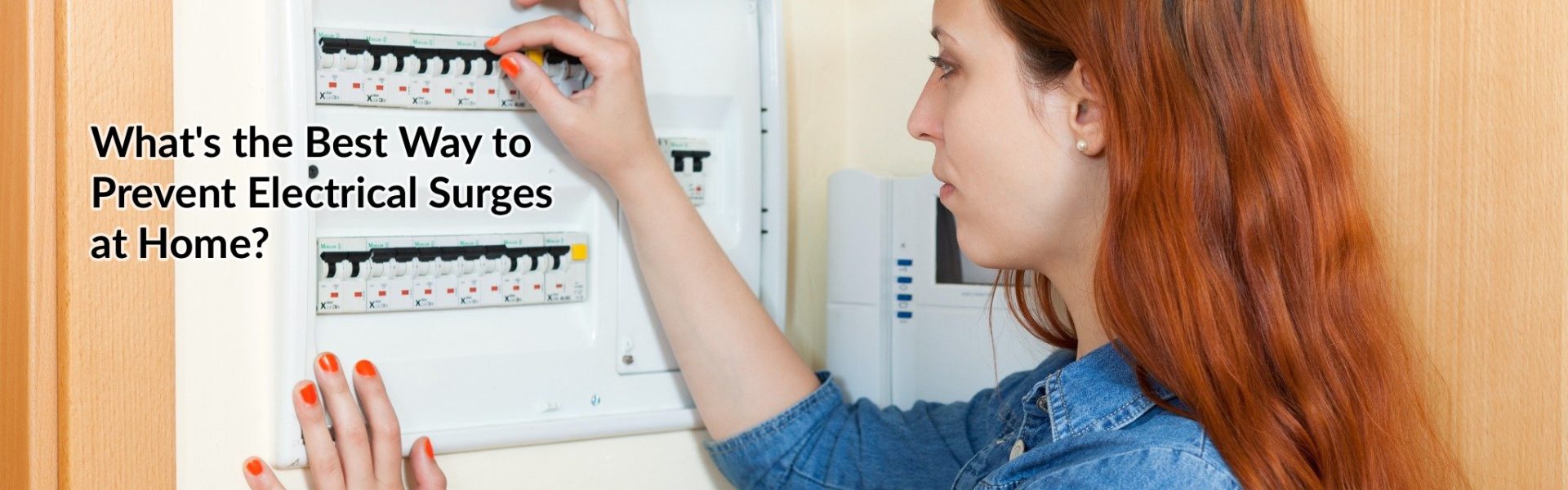
The most effective way to prevent electrical surges at home is a layered approach: whole-home surge protection installed at the panel, a properly sized electrical panel, and quality point-of-use protectors for sensitive electronics. At Triad Electric Solutions, our innovative electrical experts work with homeowners across Greensboro, NC every day to assess surge risk and install the right protection. We offer advanced electrical services in Greensboro, NC, starting with a full evaluation of your home’s existing setup so you have a complete picture of what it needs before any work starts.
What Causes Electrical Surges in a Home?
An electrical surge is a sudden, brief spike in voltage that travels through your home’s wiring. Most homeowners associate surges with lightning, but the majority of damaging surges actually start inside the house. Large appliances like refrigerators, air conditioners, and washing machines draw significant power when they cycle on. That spike in demand can send a voltage jump back through your circuits, affecting other devices on the same system.
External sources such as utility grid switching, downed power lines, and nearby lightning strikes add another layer of risk. Older homes in Greensboro and throughout Guilford County often have electrical panels that were not designed to handle the power demands of modern appliances, smart home devices, and EV chargers. When the panel is undersized or outdated, it handles voltage fluctuations less reliably, which increases the risk of damage from even a moderate surge.
How Whole-Home Surge Protection Works
A whole-home surge protector is a device installed directly at your electrical panel. When a voltage spike arrives from the utility line or originates inside your home, the device absorbs or redirects the excess energy before it can reach your appliances, electronics, or wiring. It functions as a first line of defense for every circuit in the house at once.
Our team installs whole-home surge protection devices as a standalone service or as part of a panel upgrade or new construction project. A properly installed unit covers every outlet in the home simultaneously, including circuits you might not think to protect with a power strip. James Monteleone, one of our customers who had a whole-home surge protector installed as part of a larger project, said our team “exceeded expectations every step of the way.”
Point-of-Use Surge Protectors vs. Whole-Home Protection
Power strips with surge protection are widely available and provide a limited layer of defense for individual devices. They have two significant limitations. First, they only protect the devices plugged into them, leaving every other circuit in your home exposed. Second, a single large surge from outside the home can overwhelm a basic power strip entirely.
Whole-home protection installed at the panel level is far more thorough. The best setup for most Greensboro homes combines both: a whole-home device at the panel as the first line of defense, and quality point-of-use surge protectors at computers, televisions, and home office equipment as a secondary layer. This is the approach our electricians typically recommend for households with significant electronics or dedicated home office setups.
The Role of Your Electrical Panel in Surge Prevention
Your electrical panel is the central hub of your home’s power system, and its condition directly affects how well the home handles voltage fluctuations. Panels that are 25 or more years old, rated below 200 amps, or carrying known issues like a Federal Pacific or Zinsco panel present added risk. These older systems may not respond consistently to the demands placed on them by modern appliances.
A service panel upgrade is often the right step before installing whole-home surge protection. Installing surge protection on an outdated panel creates a weaker overall defense. We assess panel condition during every surge protection consultation so you get a complete picture of your home’s electrical health before we recommend any product or service.
Other Steps That Reduce Surge Risk in Greensboro Homes
Beyond surge protection hardware, a few practical habits reduce your home’s overall exposure. Unplugging high-value electronics during severe storms costs nothing and adds an extra layer of protection that hardware alone cannot fully guarantee against a direct nearby lightning strike. Getting a professional electrical inspection if your home’s wiring is more than 30 years old is also worthwhile, since degraded insulation or loose connections can worsen the impact of a surge.
Breakers that trip regularly or lights that flicker are worth scheduling an electrical service call for, as these can signal wiring problems that increase surge risk over time. David Angel, our owner and lead electrician, has more than a decade in the trade and has seen firsthand how surge damage compounds gradually. Protecting your home now is far less expensive than replacing a damaged HVAC system, refrigerator, or home office setup.
Frequently Asked Questions About Electrical Surge Protection
Our team gets these questions regularly from Greensboro homeowners asking about surge protection. Here are direct answers based on the work we do every day.
Q: What is a whole-home surge protector?
A whole-home surge protector is a device installed at your main electrical panel that monitors incoming voltage and redirects excess energy before it reaches your circuits and appliances. It protects everything in the home at once, unlike power strips that only cover whatever is plugged into them.
Q: Can a power surge damage my appliances?
Yes. Repeated low-level surges degrade the internal components of appliances and electronics over time, shortening their lifespan even when they do not cause an immediate visible failure. A single large surge can destroy a refrigerator, HVAC unit, or home theater system outright.
Q: How long does surge protection installation take?
A whole-home surge protection device typically takes one to two hours to install when the panel is accessible and in good condition. If we find panel issues during the visit, we will give you a clear timeline for any additional work before we begin.
Q: Does surge protection require a permit in Greensboro, NC?
In most cases, installing a whole-home surge protector at an existing panel does not require a permit in Greensboro. Panel upgrades or significant service changes do require permits, which our team handles as part of the job.
Q: How do I know if my home is at risk for electrical surges?
Homes with older panels, frequent breaker trips, flickering lights, or aging wiring are more vulnerable. Greensboro’s summer storm season raises external surge risk from lightning and utility switching. A professional inspection is the fastest way to get a clear, specific answer about your home’s exposure.
Contact Us
Have electrical questions, need a quote, or want to schedule service? We’re here for you day or night!
Phone: (336) 499-2015
Message: Use the contact form on our website under “Get In Touch” to send us a message.
Service Areas: 321 New Street, Greensboro, NC 27405
Business Hours: Open 24 hours
We handle both residential and commercial projects.
Related Topics: