Installing a Level 2 EV charger at home is one of the most common jobs we get called out for in Greensboro, NC. David Angel, our owner, has been handling EV charger installs around the area since starting Triad Electric Solutions back in 2021, and we’ve built our process around one thing: efficient electrical services that pass inspection the first time, with no last-minute surprises for the homeowner. Our licensed team walks you through every part of the job, from the panel check at the start to the city inspection sign-off at the end.
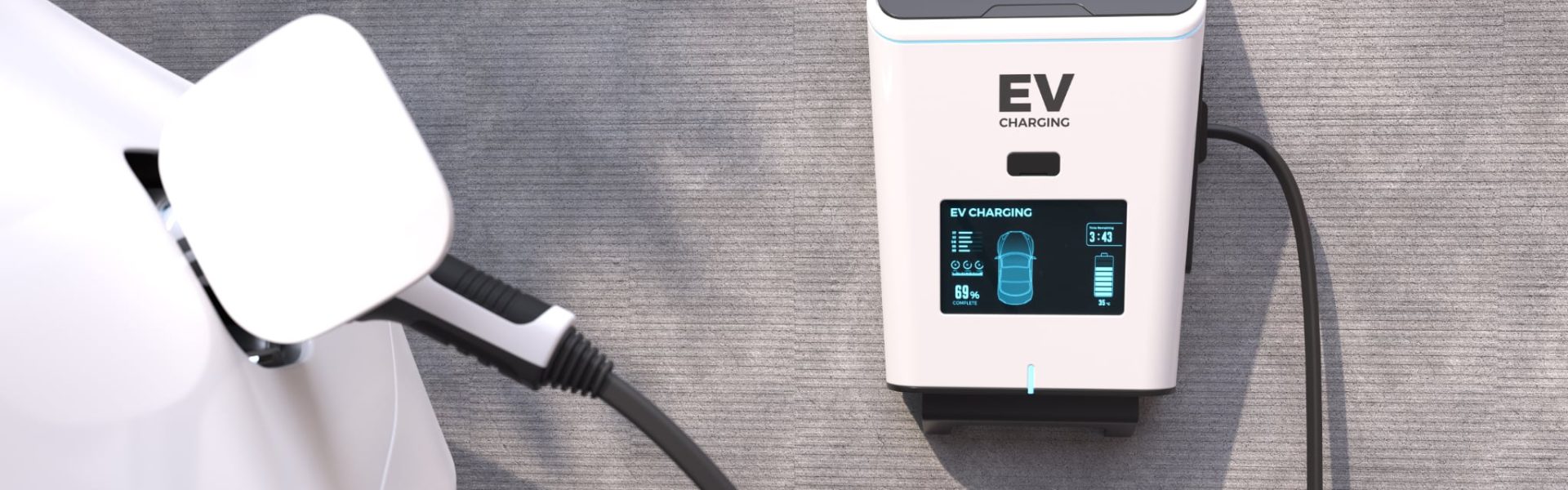
A Level 2 charger runs on a dedicated 240-volt circuit, which is the same kind your dryer or electric range pulls from, and it gives you about 20 to 30 miles of range per hour. That’s roughly five times faster than plugging into a standard 120-volt outlet. For most EV owners around here, switching to a home Level 2 setup changes the whole rhythm of owning an electric car.
Why Level 2 Is the Right Choice for Home Charging
A standard 120-volt outlet adds approximately 4 to 5 miles of range per hour. For a vehicle with a 300-mile range, a full charge from empty can take well over 60 hours on a standard outlet. That math does not work for most households, especially if the EV is the primary vehicle.
A Level 2 charger brings that number down to 8 to 12 hours for a full charge, depending on the vehicle. For most drivers, that means plugging in overnight and waking up to a full battery every morning without any planning. The installation requires a dedicated 240-volt circuit and a proper mounting location near the parking area, which is exactly what we assess before anything else.
Step 1: Panel Assessment
Before any wiring happens, we evaluate your existing electrical panel to confirm it has enough capacity to support a new 240-volt circuit. Most modern 200-amp panels can handle a Level 2 charger without additional work. Homes with older or smaller panels may require a service panel upgrade first, and we flag that clearly during the initial assessment.
This step protects you from surprises. If your panel cannot safely support the charger, adding one without addressing capacity creates a real risk of overloaded circuits and tripped breakers. We will never start an EV charger installation without completing this check first.
Step 2: Permit Coordination
In Greensboro, installing a new 240-volt circuit for an EV charger requires a permit from the City of Greensboro Inspections Department. We handle the permit application on your behalf before any work begins. You do not need to contact the city, fill out forms, or schedule inspectors. That is part of what we do as a licensed electrical contractor.
Skipping the permit is not something we do, and it is not something you want either. Unpermitted electrical work can void insurance coverage on related damage and create complications during a future home sale.
Step 3: Circuit and Wiring Installation
Once the permit is approved, we run a dedicated 240-volt circuit from your panel to the charger location. The route depends on your home’s layout, the location of your electrical panel, and where the parking area is situated. We plan the most direct and code-compliant path and work cleanly, leaving the space tidy when we are done.
The circuit is sized to the charger’s requirements and installed in conduit where exposed runs are required by code. Every connection is made to code-compliant standards, and no shortcuts are taken at the breaker end.
Step 4: Charger Mounting and Connection
With the circuit in place, we mount the charger to the wall at the agreed location and make the final connections. If you have already purchased your charger, we work with what you have. If you have questions about charger selection, we can point you in the right direction based on your vehicle and your setup.
The charger is mounted securely, the wiring is properly terminated, and the installation is checked internally before we call for the city inspector.
Step 5: Final Inspection and Sign-Off
After the installation is complete, the city inspector reviews the work against the permit and applicable NEC standards. This inspection is the final confirmation that the circuit and charger installation meet North Carolina’s electrical code. We schedule and coordinate the inspection, and we are available to be on site when the inspector comes through.
Once the inspection passes, the permit closes and the job is complete. You have a code-compliant Level 2 charger, a documented inspection record, and a six-month workmanship warranty on every aspect of the work we performed.
Related Topics: