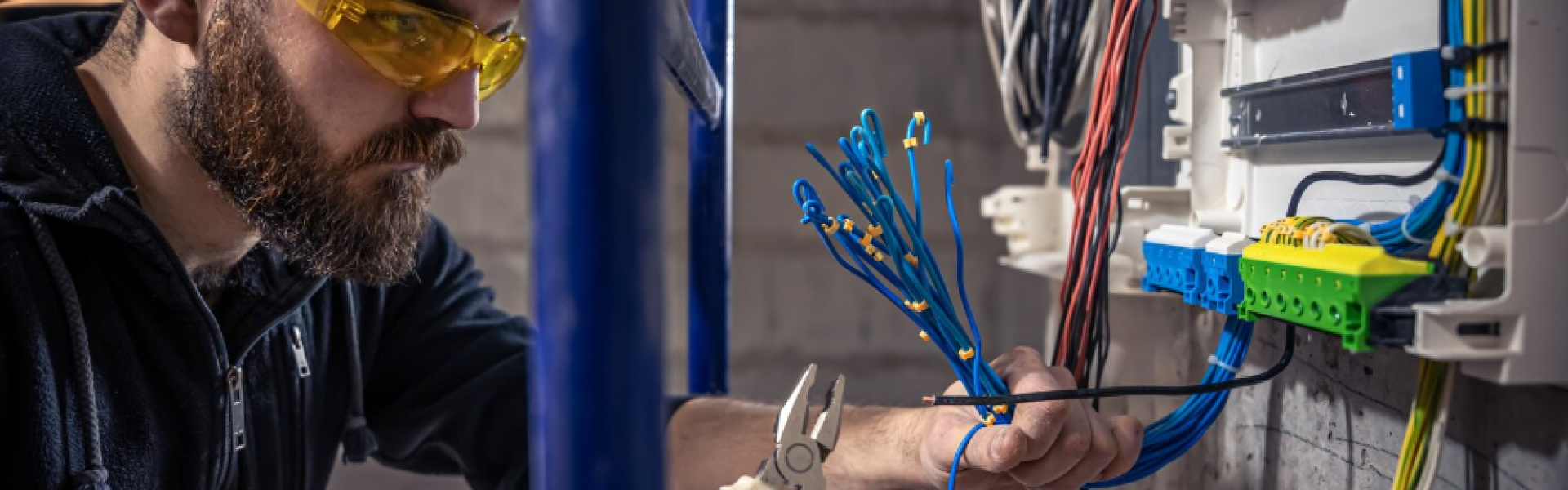
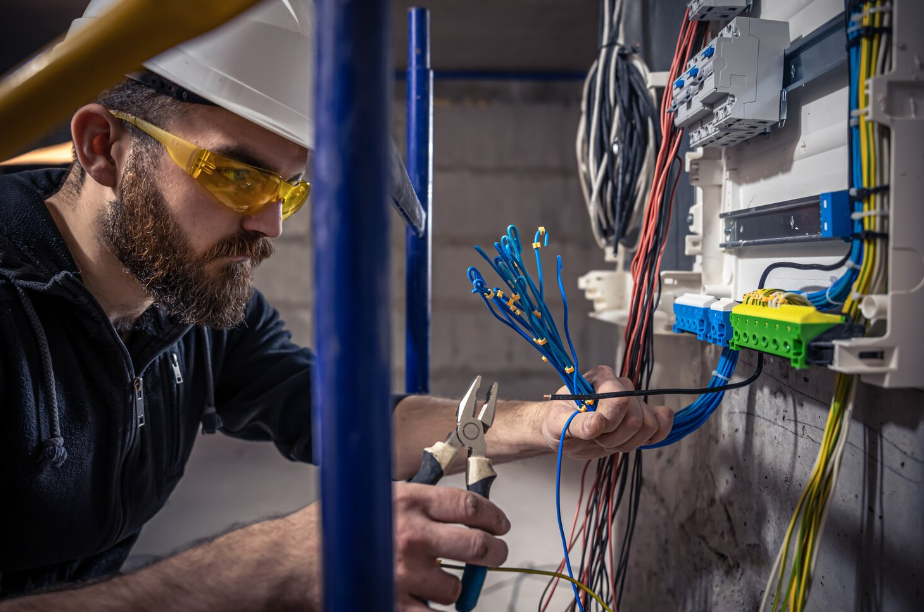
Electrical stuff in homes and businesses is one of those things you barely think about until it stops working. Then it’s a big deal. Electricians take care of all of it, from little wiring fixes to those bigger panel upgrades that most of us wouldn’t even touch. They follow safety rules because, honestly, messing with electricity can get dangerous fast. They handle installs, check-ups, and those random emergencies that seem to happen at the worst times.
Getting local electrical services in Greensboro, NC, helps too, because someone nearby can actually show up when you need them instead of making you wait all day. Good work means fewer sparks flying where they shouldn’t, less wasted energy, and your electronics surviving power surges without frying. And when something goes wrong, a pro can usually fix it right away, no guessing, no patching it half-heartedly, just done.
Why Electrical Services Matter for Your Property
Getting your electrical work done properly isn’t just about flipping switches and having lights turn on. Professional electrical services protect your biggest investment while keeping everyone inside safe from electrical hazards.
Regular electrical inspections catch problems before they turn into expensive disasters. Faulty wiring, overloaded circuits, and outdated components cause thousands of house fires every year. Professional electricians spot these issues during routine checks, fixing them before sparks start flying.
Building codes exist for good reasons, and professional electrical work keeps your property compliant. This compliance protects you from insurance issues and legal headaches down the road. Code-compliant electrical systems also boost property values when it’s time to sell.
Energy efficiency improvements through quality electrical work cut monthly utility bills significantly. Modern electrical systems waste less power, and proper installations prevent energy leaks that drain your wallet. Professional electricians know which upgrades provide the best return on investment.
Different Types of Electrical Work
Electrical contractors offer specialized services that address specific property needs. Each type of electrical work requires different skills and equipment to complete safely.
Wiring and Rewiring Projects: Old wiring systems can’t handle modern electrical loads. Rewiring projects bring outdated electrical systems up to current safety standards while adding capacity for today’s electronic devices. These projects often involve opening walls and require careful planning to minimize disruption.
System Inspections and Testing: Professional electrical inspections identify potential problems before they cause outages or safety hazards. Electricians test circuits, check connections, and measure electrical loads to verify everything operates within safe parameters. These inspections are particularly important for older buildings.
Panel and Circuit Upgrades: Electrical panels distribute power throughout buildings, and older panels often lack sufficient capacity for modern needs. Panel upgrades provide additional circuits and improved safety features like arc fault protection. These upgrades prevent frequent breaker trips and reduce fire risks.
Lighting Installation and Repairs: Proper lighting improves safety, security, and energy efficiency. Professional lighting services include installing new fixtures, repairing existing systems, and upgrading to LED technology. Outdoor lighting projects require weatherproof installations and proper grounding.
Surge Protection Systems: Power surges destroy expensive electronics and appliances without warning. Whole-house surge protection systems guard against voltage spikes from lightning strikes, utility problems, and internal electrical issues. These systems provide protection that simple power strips can’t match.
Backup Generator Installation: Power outages disrupt businesses and make homes uncomfortable or even dangerous. Standby generators automatically restore power during outages, keeping critical systems running. Professional installation includes proper fuel connections, electrical transfers, and safety shutoffs.
Electrical Safety Protocols That Save Lives
Electrical work carries serious risks that require proper training and safety measures. Professional electricians follow strict protocols that protect both workers and building occupants from electrical hazards.
Comprehensive training programs teach electricians about electrical theory, safety procedures, and current codes. This education covers proper tool usage, hazard recognition, and emergency response procedures. Ongoing training keeps electricians updated on new technologies and changing regulations.
Regular equipment inspections verify that all electrical systems operate within safe parameters. These inspections check for loose connections, damaged insulation, and overloaded circuits. Early detection prevents small problems from becoming major safety hazards.
Personal protective equipment protects electricians from electrical shocks, burns, and arc flashes. Insulated tools, safety glasses, and flame-resistant clothing reduce injury risks during electrical work. Proper PPE usage is mandatory on all electrical projects.
Advantages of Hiring Professional Electricians
Professional electricians bring specialized knowledge and experience that DIY efforts simply can’t match. These benefits extend far beyond just getting the job done correctly.
Licensed electricians understand complex electrical codes that change regularly. This knowledge prevents costly code violations and safety issues that untrained individuals often miss. Professional work also comes with warranties that protect your investment.
Industry expertise allows professional electricians to recommend optimal solutions for specific needs. They understand which products offer the best reliability and value while meeting current safety standards. This expertise prevents expensive mistakes and future problems.
Professional electricians carry proper insurance and bonding that protects property owners from liability. If something goes wrong during electrical work, this coverage provides financial protection. Most insurance companies require professional electrical work for coverage claims.
Access to commercial-grade materials gives professional electricians advantages that homeowners can’t access. These materials offer better reliability and longer lifespans than consumer-grade products. Professional purchasing power also reduces material costs.
Frequent Electrical Problems and Solutions
Several electrical issues commonly affect residential and commercial properties. Understanding these problems helps property owners recognize when professional help is needed.
Power surges rank among the most destructive electrical problems, damaging sensitive electronics and shortening appliance lifespans. External surges come from utility grid issues and lightning strikes, while internal surges result from large appliances cycling on and off. Whole-house surge protectors provide comprehensive protection against both sources.
Overloaded circuits cause frequent breaker trips and create fire hazards. Adding too many devices to a single circuit exceeds their safe capacity. Professional electricians can add new circuits or redistribute electrical loads to solve these problems permanently.
Faulty outlets and switches pose serious safety risks, especially when they spark or feel hot. Loose connections inside these devices create resistance that generates dangerous heat. Professional replacement prevents potential fires and shock hazards.
Flickering lights often indicate loose electrical connections or voltage fluctuations. These problems can damage light fixtures and indicate more serious electrical issues. Professional diagnosis identifies the root cause and prevents equipment damage.
Ground fault circuit interrupter (GFCI) problems frequently occur in bathrooms, kitchens, and outdoor areas. These safety devices protect against electrical shock but can malfunction over time. Professional replacement maintains proper protection against electrocution.
Value of Preventive Electrical Maintenance
Proactive electrical maintenance prevents expensive repairs while keeping electrical systems running efficiently. Regular maintenance schedules catch problems early and extend equipment lifespans.
Scheduled inspections identify potential issues before they cause outages or safety hazards. Professional electricians check connections, test protective devices, and measure electrical loads during these visits. Early detection saves money and prevents dangerous situations.
Cleaning electrical connections removes corrosion and debris that causes resistance and heat buildup. Dirty connections waste energy and can cause equipment failures. Professional cleaning extends equipment life and improves system efficiency.
Component testing verifies that safety devices function correctly when needed. Circuit breakers, GFCI outlets, and surge protectors require periodic testing to confirm proper operation. Faulty safety devices leave properties vulnerable to electrical hazards.
Thermal imaging technology detects hot spots in electrical systems before they cause failures. Professional electricians use infrared cameras to identify problems invisible to the naked eye. This technology prevents equipment damage and fire risks.
Professional maintenance records document the electrical system condition over time. These records help track equipment performance and plan future upgrades. Detailed maintenance records also demonstrate proper care to insurance companies and building inspectors.
Quality electrical maintenance reduces energy consumption through improved system efficiency. Well-maintained electrical systems operate more efficiently, reducing utility costs. Professional maintenance pays for itself through energy savings and prevented repairs.
Contact Us
Have electrical questions, need a quote, or want to schedule service? We’re here for you day or night!
Phone: (336) 499-2015
Message: Use the contact form on our website under “Get In Touch” to send us a message.
Service Areas: 321 New Street, Greensboro, NC 27405
We handle both residential and commercial projects.
Related Topics: