

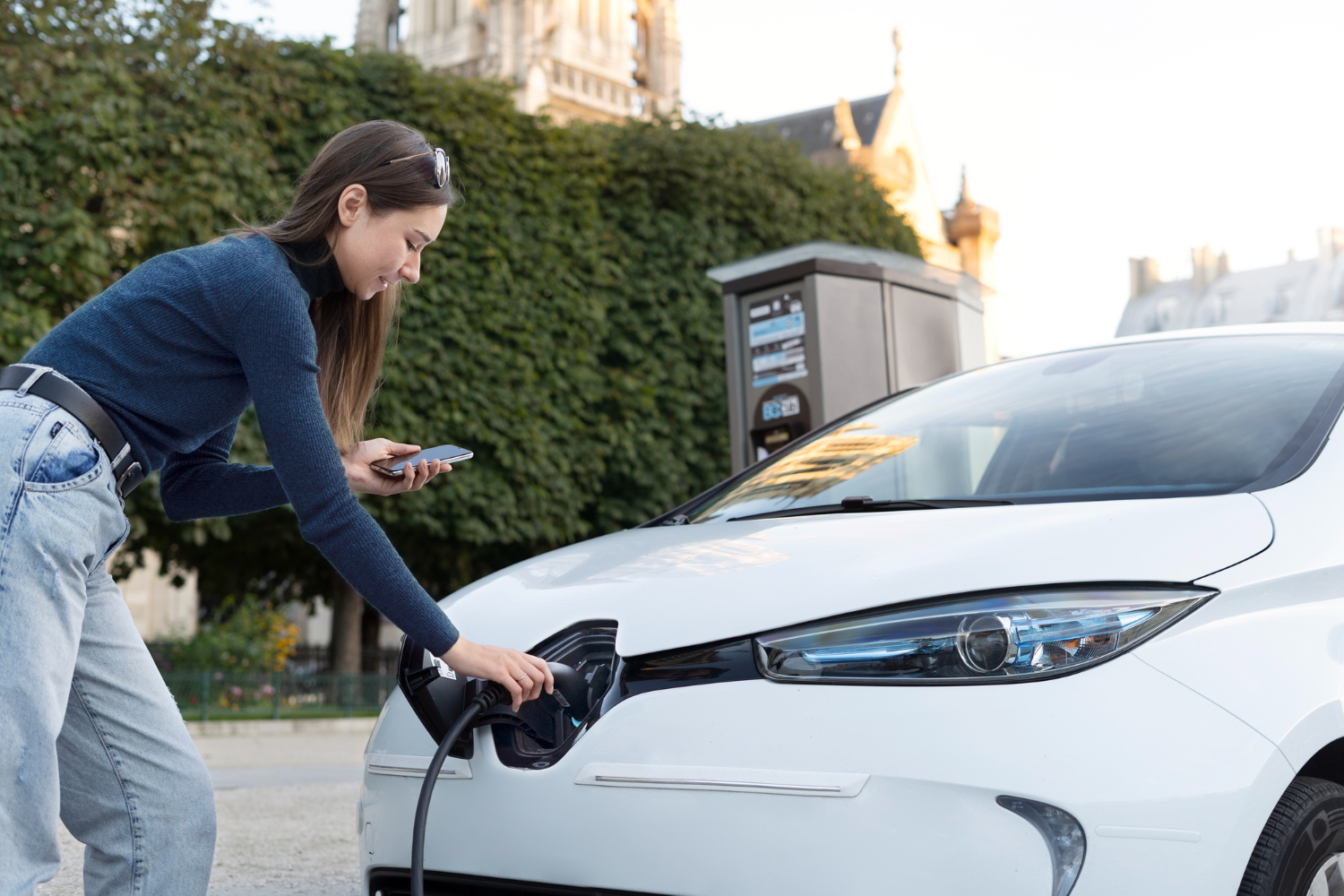
Learning how to charge an electric car is simple once you know the basic steps. Just like Greensboro electricians can help with home wiring, charging an EV follows a clear process. This guide walks you through finding charging stations, checking if they work with your car, plugging in correctly, starting the charge, watching the progress, and finishing safely. These easy steps will help you charge your car with confidence.
Locating Charging Stations
Finding charging stations is easy with the right tools when you need to charge an electric car. Use mobile apps like PlugShare or ChargePoint to see real-time information about station locations and availability. These apps show you which stations work with your car and let you filter by charging speed and user ratings. Many electric cars have built-in navigation that shows nearby charging stations on your route. Plan your charging stops ahead of time to make sure the stations have the right connectors for your car. Using these apps makes finding charging stations a normal part of driving electric.
Checking Compatibility With Your EV
Before charging, check that the station works with your specific electric car. Here’s what to verify:
- Connector Type: Make sure the charging station’s plug fits your car’s charging port
- Power Level: Check if the station provides the right power amount for your car’s charging system
- Communication Protocol: Verify the station can communicate properly with your car’s charging system
- Charging Speed: Make sure the station’s output matches your car’s charging speed needs for best results
Plugging in Your Electric Car
Put the charging cable into your car’s charging port and make sure it connects securely. The port is usually located at the front or back of your car, depending on your model. Line up the connector with the port and push it in until you hear a click. This click means it’s locked in place properly. Look at the indicator lights on the charger to confirm the connection is good. Keep the cable straight without twists or tangles to avoid charging problems. A proper connection is important for safe and effective charging.
Initiating the Charging Process
Start charging by turning on the charging station or using your car’s controls to begin electricity flow. After connecting the cable to both your car and the charging station, follow these steps:
- Check that your car is properly connected to the charging station
- Look at the display on the station or your car’s dashboard to confirm charging has started
- Watch the indicator lights on the charging station to make sure electricity is flowing
- Use your car’s screen to see charging status and change settings if needed
These steps help make sure charging starts correctly.
Monitoring the Charging Progress
Track your charging progress by watching your car’s dashboard or the charging station’s screen for real-time battery updates. The dashboard shows current battery percentage, time until full charge, and charging speed in kilowatts. Many electric cars let you check charging status from your phone through a mobile app. The charging station screen shows similar information, so you can monitor progress without sitting in your car. Watching these displays helps make sure charging goes smoothly and your battery fills up properly.
Disconnecting and Wrapping Up
When your car reaches the charge level you want, carefully unplug the charging cable and finish the process properly:
- Turn off your car before unplugging the charging cable
- Press any release buttons on the charging connector to unlock it from your car’s port
- Gently pull the connector out of the port and put it back in its storage spot
- Double-check that all charging equipment is stored properly and securely before driving
Following these steps keeps the charging equipment in good condition and ensures a safe charging experience every time.
Related Topics: