Frequent breaker trips, flickering lights, warm spots on the panel, and an old fuse box are among the clearest signs a home’s electrical panel may no longer match its electrical demand. If you’re noticing any of these, a professional panel evaluation is the safest next step before adding an EV charger, generator, or other major appliance.
Why Panel Capacity Matters More as Homes Change
Most Greensboro homes weren’t wired with today’s electrical demand in mind. A house built decades ago, sized for a smaller set of appliances, is now being asked to run central air, multiple TVs and computers, a microwave, an electric range, maybe a workshop, and increasingly an EV charger or backup generator on top of it. The panel is the point where all of that demand meets the limits of what the electrical system was originally built to handle.
That doesn’t mean every panel needs replacing. It means the following signs are worth paying attention to rather than dismissing as background noise in an older home.
1. Breakers That Trip Repeatedly
An occasional trip when too many devices run on one circuit at once is normal. A breaker that trips repeatedly, especially on the same circuit or across multiple circuits, usually means the panel is being asked to carry more load than it’s designed for, or that a specific circuit has a fault. Either way, this is a pattern worth having evaluated rather than resetting indefinitely.
2. Flickering or Dimming Lights
Lights that dim briefly when a large appliance kicks on — an AC unit, a well pump, a dryer — can point to a capacity issue at the panel level, though it can also stem from a loose connection or voltage drop elsewhere in the system. If this happens consistently across multiple rooms rather than one fixture, it’s a sign worth having a licensed electrician trace to its source. (If it’s isolated to one specific outlet or switch, that’s more often a wiring issue than a panel-capacity problem — worth ruling out first.)
3. A Warm or Hot Panel
The panel itself, and the wall around it, should stay close to room temperature during normal operation. Noticeable warmth, especially localized around specific breakers, indicates the components inside are working harder than they should. This is not something to monitor and wait on — it’s a sign that warrants a professional look promptly.
4. Burning Smells or Visible Scorching
Any burning odor near the panel, discoloration, soot, or scorch marks should be treated as a potentially serious electrical safety concern, not a wait-and-see situation. If you notice this, shut off power to the affected circuit if you can safely do so, avoid touching the panel, and contact a licensed electrician immediately. Triad Electric Solutions offers 24/7 emergency electrical response for exactly this kind of situation.
5. An Old Fuse Box Instead of a Breaker Panel
Homes with original fuse boxes rather than modern circuit breaker panels are a common sight in some of Greensboro’s older neighborhoods. Fuse boxes aren’t inherently unsafe by design, but they were built for a different, much lower level of electrical demand than most households run today, and replacement fuses of the wrong size are a real risk when installed incorrectly. If your home still has a fuse box, a professional evaluation is worth prioritizing.
6. Limited Breaker Space for New Circuits
A panel that’s already full, with no open slots for additional circuits, is a practical limitation as much as a safety one. This becomes especially relevant when a homeowner is planning a home addition, a workshop, a hot tub, or an EV charger — all of which typically need dedicated circuits. A full panel with no room to grow may point toward a panel upgrade or, in some cases, a full electrical service upgrade.
7. Planning a Major Addition to Your Home's Electrical Load
Even without any warning signs above, planning ahead matters. Adding a generator, an EV charger, an electric range, a heat pump, or a home addition are all common reasons Greensboro homeowners request a panel evaluation before starting a project — rather than discovering a capacity issue partway through installation. This is also where the 100-amp vs. 200-amp question tends to come up, since older 100-amp services often can’t comfortably absorb several major new loads at once.
What a Professional Evaluation Actually Involves
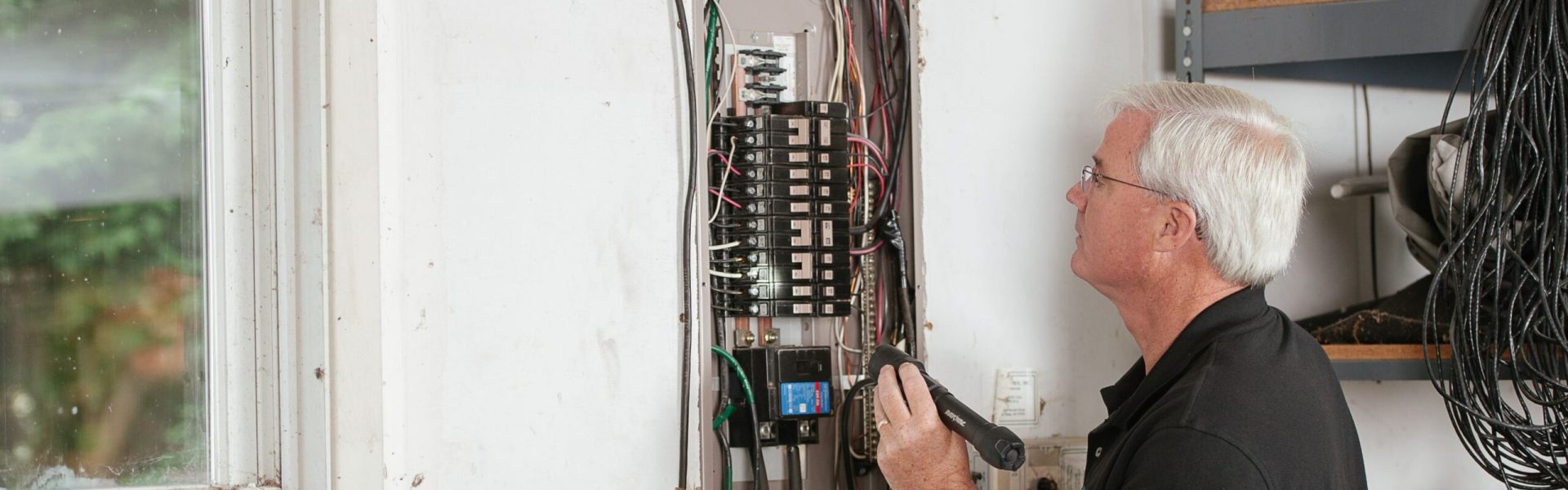
A panel evaluation isn’t a guessing exercise. A licensed electrician inspects the physical condition of the panel and its components, reviews your home’s current electrical load against the panel’s rated capacity, and — if you’re planning new additions like an EV charger or generator — factors in that future demand as well. From there, the recommendation is either a full panel replacement, a broader electrical service upgrade (which can include the meter base and utility connection, not just the panel itself), or, in some cases, confirmation that the current panel is sufficient and a more targeted repair is all that’s needed.
Panel replacements themselves are typically completed in a matter of hours rather than days for most residential jobs, though a full service upgrade — which may involve coordination with the utility provider — can take longer depending on scope. Work is permitted and inspected as required, which also matters if you’re planning to sell the home down the line, since outdated panels and unpermitted electrical work are common points of concern in real estate inspections.
What This Is Not: A DIY Project
None of the signs above are something to address by opening the panel yourself, resetting breakers indefinitely, or attempting to replace fuses or breakers without training. Electrical panels carry a real risk of shock, arc flash, and fire when handled incorrectly, and utility-side connections should never be worked on by anyone other than a licensed professional. If you’re seeing any of the signs above, the right next step is a professional evaluation, not a home repair project.
How This Can Affect Home Value and Resale
Beyond day-to-day safety and convenience, panel condition tends to come up during home inspections and appraisals. An outdated fuse box, a panel that’s clearly undersized for the home’s current electrical load, or visible signs of wear are common notes in a real estate inspection report, and can slow down a sale or become a negotiating point. Addressing panel issues proactively — rather than after a buyer’s inspector flags them — tends to be the more straightforward path either way.
Why Address This Now Instead of Later
Electrical issues rarely improve on their own, and panels under strain tend to show more symptoms over time, not fewer. Addressing a capacity or condition issue proactively is generally more straightforward — and safer — than waiting until a breaker trip becomes a bigger problem, or until a planned EV charger or generator installation gets held up by a panel that isn’t ready for it. If you’re already planning one of those additions, it’s worth understanding how panel capacity relates to EV charger installation before scheduling anything.
What to Expect When You Call a Licensed Electrician
A straightforward panel evaluation starts with a conversation about what you’re noticing — which signs, how often, and whether you’re planning any major additions. From there, a licensed electrician inspects the panel in person, checks its physical condition and rated capacity against your home’s actual electrical load, and gives you a clear recommendation: repair, panel replacement, full service upgrade, or confirmation that no upgrade is currently needed. Triad Electric Solutions is licensed, bonded, and insured, and backs its electrical work with a six-month workmanship warranty, so you’re not left guessing about what’s covered after the job is done.
Frequently Asked Questions
How do I know if my electrical panel needs upgrading?
Watch for repeated breaker trips, flickering lights across multiple rooms, a warm panel, burning smells, an old fuse box, or a panel with no room for new circuits. Any one of these is worth a professional evaluation; a burning smell or visible scorching should be treated as urgent.
Is a 100-amp panel enough for my house?
It depends on your home’s size and electrical load. Many older 100-amp services handle day-to-day living fine, but they can become limiting once you add an EV charger, a generator, an electric range, or a major addition. A load calculation is the accurate way to know for certain.
How long does an electrical panel last?
Most residential panels are built to last several decades, but age alone isn’t the only factor — panel condition, prior repairs, and how much load has been added over the years all matter. A visual inspection and load review can tell you more than age alone.
Can an old panel handle an EV charger?
Sometimes, and sometimes not — it depends on the panel’s rated capacity, how much of that capacity is already in use, and the charger’s power requirements. This is exactly why a panel evaluation is typically recommended before EV charger installation.
Does a panel upgrade require a permit?
Yes, electrical panel and service upgrades typically require a permit and inspection in Greensboro. A licensed electrical contractor handles this as part of the installation process.
Can an electrical panel be upgraded without rewiring the whole house?
In most cases, yes. A panel or service upgrade typically doesn’t require rewiring the rest of the home’s circuits — it’s about replacing or upgrading the central point where power is distributed. Whole-home rewiring is a separate, more extensive project that’s only necessary if the home’s actual wiring — not just the panel — is outdated or damaged.
What's the difference between a fuse box and a breaker panel?
A fuse box uses replaceable fuses that burn out and must be swapped when a circuit is overloaded, while a breaker panel uses circuit breakers that trip and can simply be reset. Breaker panels are also generally built for higher electrical capacity than the fuse boxes common in older homes.
Is it safe to keep using an old fuse box?
An older fuse box isn’t automatically dangerous, but it does have real limitations — lower overall capacity, a higher risk of the wrong fuse size being installed over the years, and no easy way to add circuits for modern electrical demand. A professional evaluation is the best way to know where your specific fuse box stands.