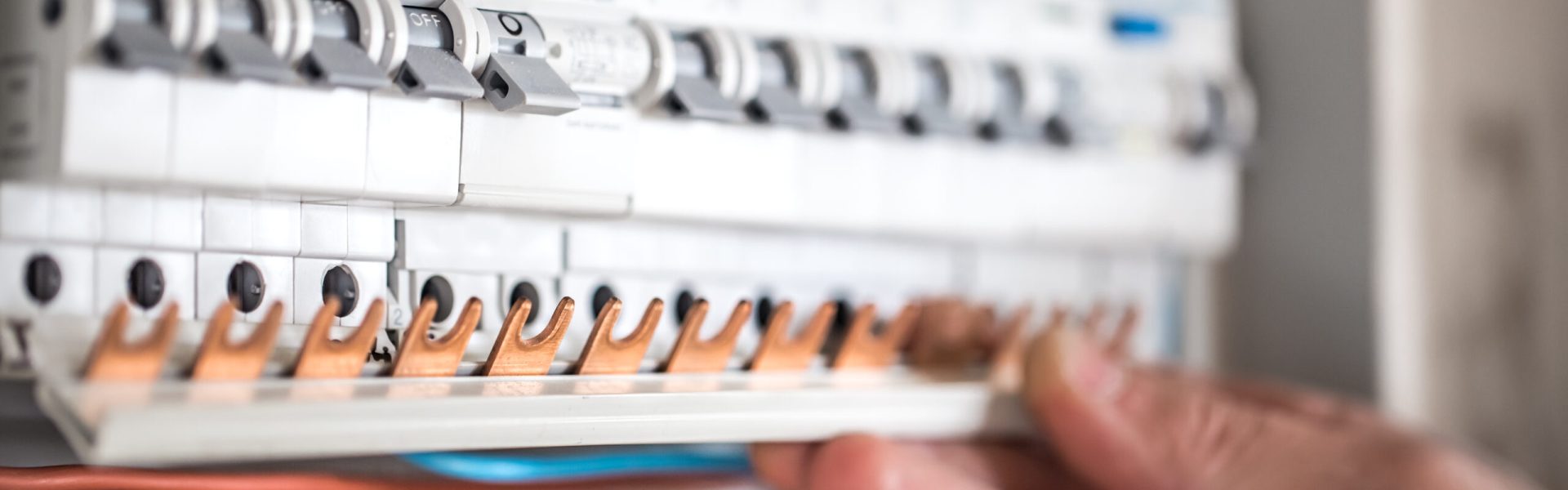

Upgrading your electrical panel is a crucial step in ensuring that your home or business has the power it needs to function properly and safely. If you’re experiencing frequent breaker trips, need more capacity for new appliances, or are preparing for future expansions, upgrading your panel is key to meeting these needs. Follow these steps for a smooth and safe electrical panel upgrade process, and make sure skilled electricians help you choose the right system for both current and future electrical demands.
Assessing Your Current Electrical Setup
Before upgrading your electrical panel, start by evaluating your existing electrical system to ensure compatibility and safety. Locate your current breaker box and identify its type and amperage rating. Check for any signs of wear, such as scorch marks, rust, or overheating, which could indicate a need for immediate attention. Measure the physical space of your current panel to ensure the new one will fit properly. Evaluate your current power usage to assess if your existing panel meets your needs and if it can support additional electrical load. A thorough assessment will help you make informed decisions about your upgrade and avoid safety risks.
Determining Your Electrical Panel Needs
Understanding your electrical needs is essential when upgrading your panel. Begin by calculating the total electrical load your property uses, considering everything from lights to large appliances. Identify your current panel’s amperage and ensure it meets your usage needs. Factor in any new appliances or devices you plan to add, such as HVAC systems or electric vehicles, that may increase power demands. Also, consider any planned expansions or renovations that may require more electricity. With these factors in mind, choose a panel that not only meets your current needs but also allows for future upgrades.
Choosing the Right Electrical Panel
When selecting an upgraded electrical panel, it’s important to evaluate your current and future power needs. Here are some key points to consider:
- Calculate Load Requirements: Sum the amperage of all your devices and appliances to verify your panel can handle the electrical demand.
- Select the Correct Amperage: Standard residential electrical panels typically range from 100 to 200 amps, with larger homes or commercial properties requiring higher capacities.
- Future Expansion: Choose a panel with extra slots to allow for future growth. This way, you can easily add new circuits and devices as your electrical needs increase.
Understanding Electrical Panel Installation
Proper installation of your new electrical panel is vital for safe operation. Begin by turning off the power to the existing panel and removing the cover. Disconnect all wires, labeling them for easy re-connection later. Carefully remove the old panel and install the new one according to the manufacturer’s guidelines, ensuring it’s properly grounded. Reconnect all labeled wires and double-check the connections to ensure they are tight and secure. Once everything is connected, restore power and test the panel to verify it works as expected. If you’re unsure, consider consulting a qualified electrician to ensure proper installation.
Safety Precautions During Panel Upgrade
Safety is the number one priority when upgrading your electrical panel. Follow these precautions to minimize risks and ensure a successful installation:
- Power Off: Turn off the main power supply before starting any work. Use a voltage tester to confirm no electricity is running through the panel.
- Personal Protective Equipment (PPE): Wear insulated gloves, safety goggles, and non-conductive footwear to protect yourself from electrical hazards.
- Proper Tools: Use insulated tools that are specifically designed for electrical work to reduce the risk of accidental shocks. Make sure all tools are in proper working condition.
Hiring a Professional Electrician
Upgrading your electrical panel can be complex and dangerous. Hiring a licensed electrician is strongly recommended to ensure your upgrade complies with safety standards and local building codes. A professional has the expertise to evaluate your system, determine the correct panel size, and ensure all connections are made properly. They understand the intricacies of electrical work and can carry out the upgrade safely, minimizing the risk of electrical hazards. By hiring an expert, you can rest assured that your panel will be installed correctly, improving the safety and functionality of your electrical system.
Contact Us
Have electrical questions, need a quote, or want to schedule service?
We’re here for you day or night.
📞 Phone: (336) 962-7549
✉️ Email / Message: Use the contact form on our website under “Get In Touch” to send us a message.
📍 Service Areas: 321 New St, Greensboro, NC 27405. We handle both residential and commercial projects.
Related Topics: