
Testing electrical wires safely is a skill every homeowner should learn, especially when dealing with electrical services in Greensboro or any other area. This guide covers everything you need to know about checking wires without putting yourself at risk. You’ll learn which tools to use, how to test for voltage and continuity, and what safety steps to take. Understanding these basics helps you handle minor electrical checks confidently. Read on to master safe wire testing from start to finish.
Safety Precautions
Always turn off the power before testing any electrical wires. Use a voltage tester to verify that the wires aren’t live before touching them. Wear insulated gloves and safety goggles to protect yourself from potential shocks. Keep your work area dry to prevent accidents. Never test electrical wires alone; have someone nearby in case of emergencies. Safety is paramount when working with electrical systems.
Tools You’ll Need
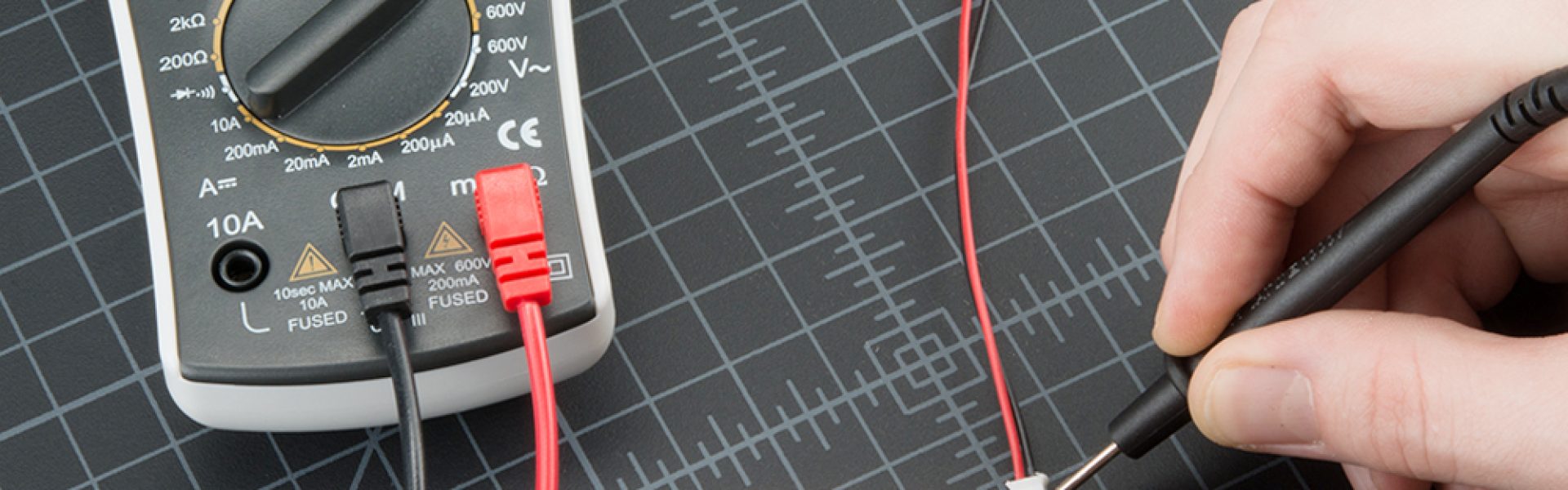
Having the right tools makes wire testing safer and easier. You’ll need a digital multimeter for measuring voltage, current, and resistance. Wire strippers help you safely expose wires for testing and inspection. Insulated screwdrivers prevent electrical shocks when handling live circuits. A voltage tester confirms whether current is present or absent. Ensure that all your tools are in good condition and that you know how to use them properly before commencing any work.
Voltage Testing
A voltage tester accurately shows whether electrical current is present in wires. Before testing, make sure your tester is rated for the voltage level you’re measuring. Set the tester to the correct range, either AC or DC. Carefully touch the probes to the wire you’re testing. If the tester shows a voltage reading, the wire is live, and you must exercise caution. A reading of zero voltage means the wire is safe to handle. Accurate voltage testing prevents electrical hazards and ensures your safety.
Continuity Testing
Continuity testing verifies that an electrical path is complete and uninterrupted. Set your multimeter to continuity or resistance mode. Touch the multimeter leads to each end of the wire or connection points. A continuous beep or a low resistance reading indicates that the path is unbroken and the connection is good. No beep or a high resistance reading signals a break in the circuit. This test is crucial for verifying that electrical systems and equipment function properly.
Polarity Testing
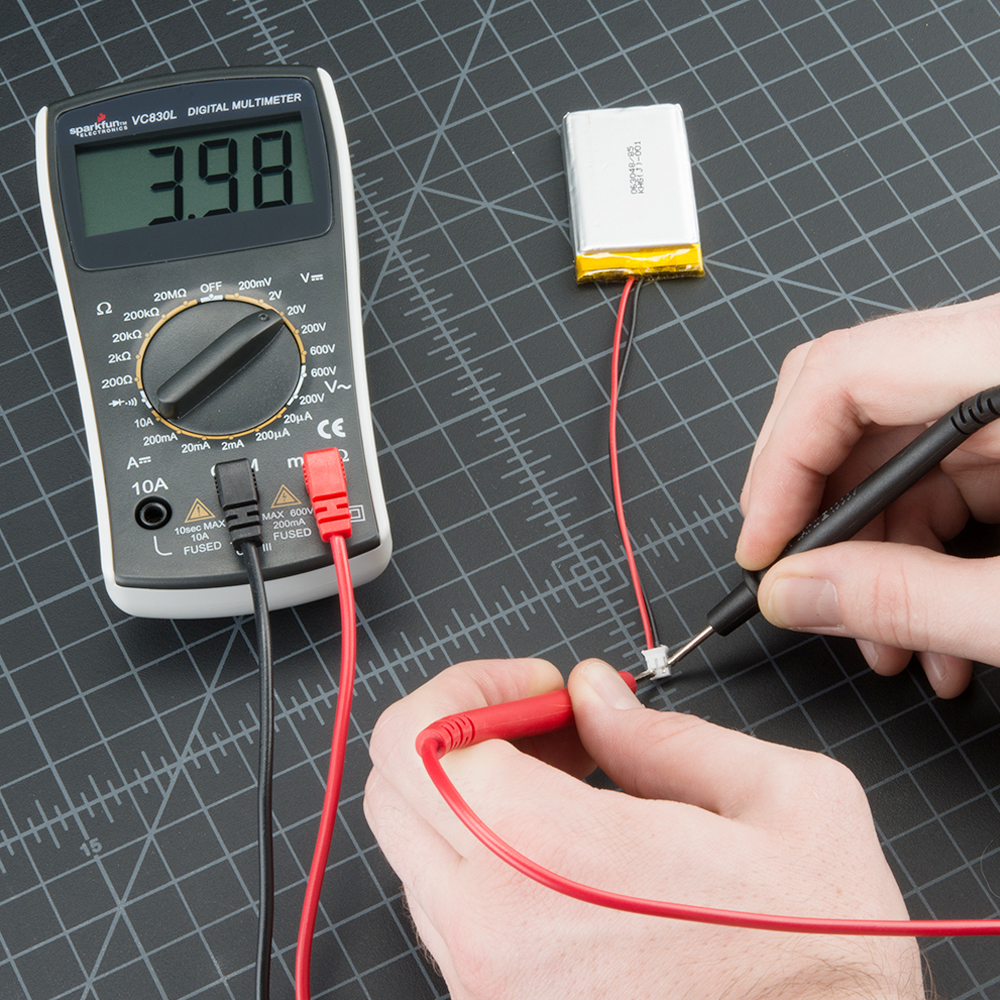
Polarity testing confirms that electrical connections are oriented correctly. Use a digital multimeter set to measure voltage. Turn off the power first, then select the voltage setting on your multimeter. Connect the black probe to the ground and the red probe to the wire you’re testing. A positive reading shows correct polarity. A negative reading indicates that the probes are reversed and the polarity is incorrect. Incorrect polarity can damage equipment or create safety hazards; therefore, this test is crucial for ensuring proper electrical connections.
Troubleshooting Common Issues
When electrical problems pop up, troubleshooting requires a step-by-step approach. Start by checking for loose connections, which can cause power interruptions or even fires. Inspect circuit breakers and fuses to make sure they’re working correctly and haven’t tripped. Test outlets and switches for any damage or wear that might be causing issues. If problems continue, use a multimeter to measure voltage levels and continuity along the circuit. Always turn off the power before conducting any tests. Following these steps carefully helps you troubleshoot common electrical issues and maintain a safe, functional electrical system.
Related Topics: