
This guide provides a step-by-step approach to safely and efficiently splicing electrical wires in residential DIY applications. Whether you’re extending wiring, repairing a damaged section, or installing a fixture, the process requires the right tools, attention to safety, and proper technique. If you’re unsure at any point or working on a larger project, seeking help from Greensboro’s best electrical services ensures compliance with safety standards and long-lasting results.
Safety Precautions
Before beginning any electrical work, it’s necessary to follow safety practices that reduce the risk of injury or property damage. Always shut off power at the breaker panel and double-check that the wires you’re handling are not live using a voltage tester. Wear insulated gloves and eye protection at all times during the process.
Make sure the area is dry and well-lit, and avoid working near any water source. If the wires show signs of wear, fraying, or burning, it’s best to cut back to clean sections or consult a professional. Staying aware of your surroundings and using appropriate safety gear provides a secure environment for completing the task.
Tools and Materials Needed
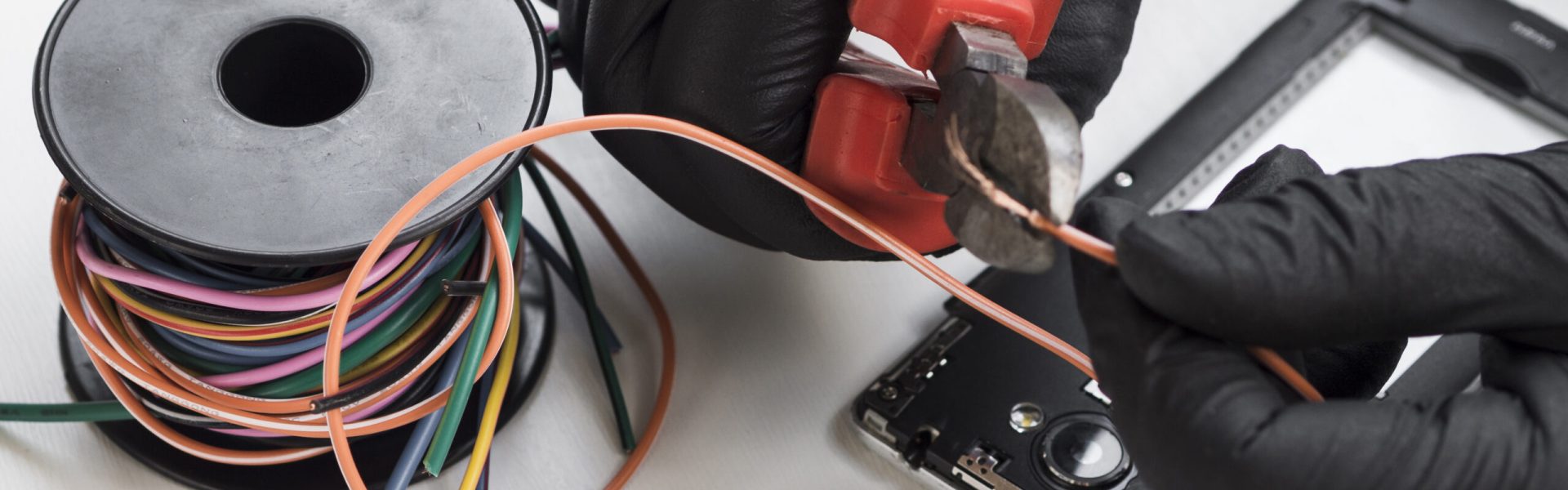
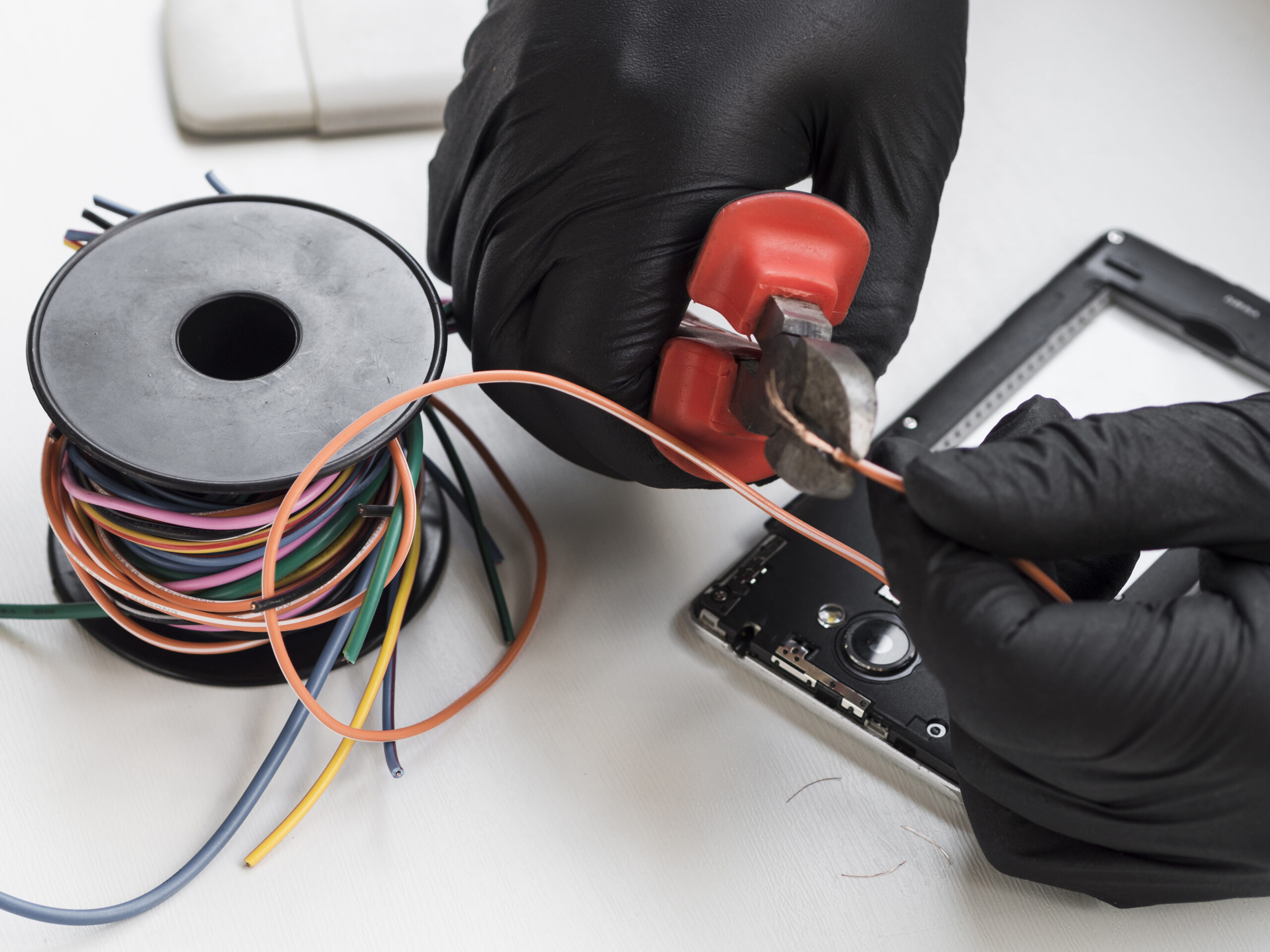
A successful splice starts with the right equipment. You’ll need wire cutters for trimming ends cleanly, and wire strippers for removing insulation without nicking the metal. Electrical tape provides a basic layer of protection, while wire connectors, such as twist-on nuts or push-in terminals, secure both the physical and electrical connections.
Depending on the splice type, a soldering iron may be used to reinforce connections, especially for permanent fixes. Each item plays a role in maintaining a secure, low-resistance bond between wires.
Identifying Wire Types
Splicing wires requires an understanding of what you’re working with. Most residential wires use either copper or aluminum as conductors. Copper is more common, thanks to its flexibility and conductivity. Aluminum, while lighter and cheaper, requires different connectors and handling due to its tendency to oxidize.
Insulation types also vary, PVC is widely used for its durability and heat resistance, while older homes may have fabric or rubber insulation. Knowing the conductor and insulation types helps you choose the correct tools and connectors and avoid compatibility issues.
Stripping the Insulation
Measure how much insulation needs to be removed, usually about half an inch, and mark the spot on the wire. Using a wire stripper set to the correct gauge, gently remove the insulation without damaging the wire strands.
Avoid pulling too hard or twisting excessively, as this can cause the wire to weaken. If you notice any nicks or bends, it’s best to cut and strip a fresh section. Clean wire ends are essential for making a stable and conductive splice.
Twisting and Connecting Wires
With both ends stripped, align them side by side and twist the metal strands together tightly using pliers or a wire-twisting tool. This not only improves conductivity but also reduces the chance of the connection loosening over time. Make sure the twist is even, firm, and free of stray strands.
Neat and compact twisting helps the connector fit securely over the splice, keeping the joint strong under mechanical stress or movement. A solid physical connection is just as important as the electrical one.
Insulating the Splice
Once the connection is secure, proper insulation keeps the joint safe from exposure, contact, or corrosion. Wrap high-quality electrical tape tightly around the splice, ensuring that all exposed metal is covered. For extra protection, especially in damp or outdoor environments, slide heat-shrink tubing over the taped section and shrink it with a heat gun.
In moisture-prone areas, applying a thin layer of silicone-based sealant helps guard against corrosion. These methods create a sealed barrier, preserving the integrity of the splice and ensuring electrical safety standards are maintained.
Related Topics: