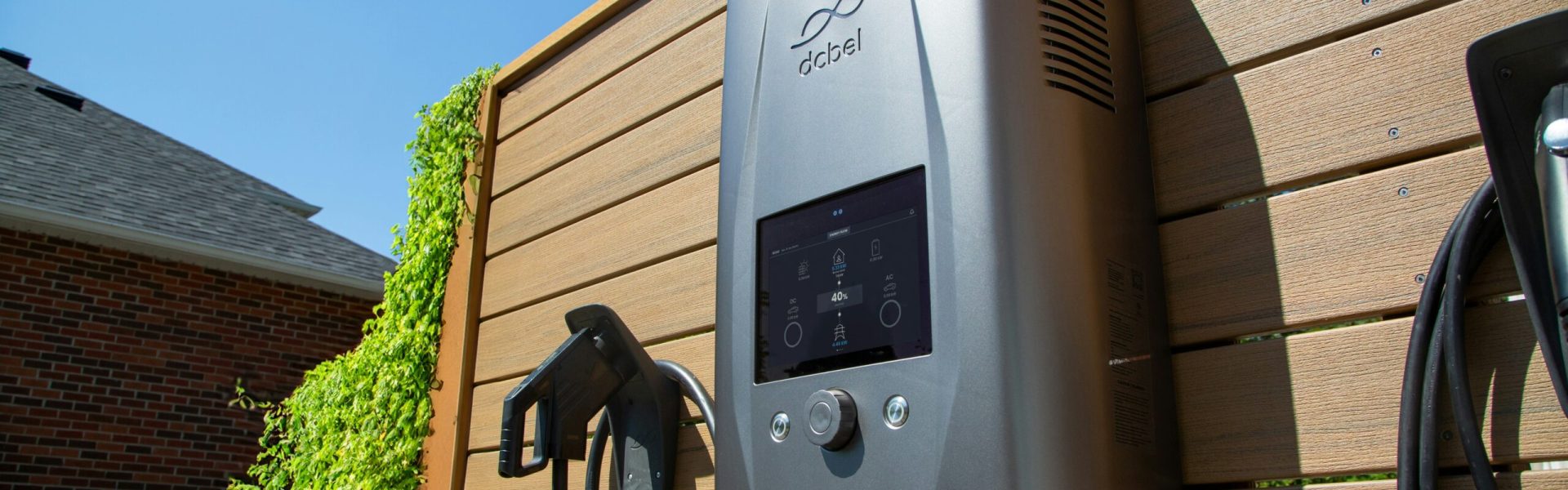
Hardwired Level 2 chargers connect directly to a dedicated circuit with no plug, while plug-in chargers connect to a dedicated outlet and can be unplugged or moved. Neither is universally “better” — the right choice depends on your charger model, installation location, and preferences, which a licensed electrician can walk through during EV charger installation.
Two Ways to Wire the Same Charging Speed
Both hardwired and plug-in Level 2 chargers run on the same 240-volt circuit and can deliver similar charging speeds — the difference isn’t in how fast they charge, but in how the charger physically connects to your home’s electrical system. That distinction affects installation, flexibility, and a few practical considerations worth understanding before you decide.
What "Hardwired" Means
A hardwired charger is wired directly into a dedicated circuit with no plug or receptacle in between — the charger’s wiring connects straight to the circuit at the electrical box. Once installed, it isn’t something you unplug or move; it’s a permanent fixture at that location, similar to a built-in appliance.
What "Plug-In" Means
A plug-in charger connects to a dedicated outlet — typically a NEMA 14-50 receptacle, which is the same type of outlet used for some RV connections and other high-draw appliances. The charger itself plugs into that outlet, which means it can be unplugged and, in some cases, physically relocated or taken with you if you move.
Installation Differences
Both configurations require a licensed electrician to run a dedicated 240-volt circuit from the panel (or a sub-panel) to the charging location. The difference comes at the endpoint: a hardwired installation terminates directly into the charger, while a plug-in installation terminates into a receptacle that the charger then plugs into. Neither is inherently more complex to install correctly — both require the same electrical planning, permitting, and professional installation.
Flexibility and Portability
This is where the two options diverge most. A plug-in charger can be unplugged when not needed, swapped for a different charger model without rewiring, or taken with you to a new home if the outlet is compatible at the new location. A hardwired charger stays in place permanently — if you replace your EV or charger model down the line, the hardwired unit itself would need to be swapped, though the existing circuit can often be reused.
Indoor vs. Outdoor Installation Considerations
Both hardwired and plug-in chargers can be installed indoors (garage) or outdoors (driveway, carport), but outdoor installations involve additional considerations — weather-rated equipment, appropriate outlet covers, and code-required protections for outdoor electrical connections. A licensed electrician selects hardware and installation methods appropriate for the specific location, whether indoor or outdoor.
This matters more for plug-in installations specifically, since an outdoor receptacle needs weather-rated covers and appropriate protection that an indoor garage installation typically doesn’t require to the same degree. Hardwired outdoor installations still need weather-appropriate equipment at the charger itself, but without a receptacle and plug connection exposed to the elements.
Reliability and Maintenance
Hardwired connections eliminate the plug-and-receptacle connection point entirely, which some homeowners prefer as one less component that could theoretically loosen or wear over time, particularly in a location exposed to weather or frequent temperature swings. Plug-in setups, when installed with a proper dedicated outlet and used with a compatible charger, are also a reliable long-term setup — the receptacle itself is simply an additional connection point to keep in good condition over time.
Over the life of the installation, hardwired setups generally involve less ongoing attention simply because there’s one fewer connection point to check. Plug-in setups are easy to inspect yourself periodically — checking that the plug is fully seated and the outlet shows no signs of discoloration or wear is a reasonable homeowner-level check, though any sign of damage, looseness, or warmth at the outlet should be handled by a licensed electrician rather than addressed as a repair project on your own.
A Practical Way to Think About the Decision
If you’re still undecided, it can help to ask a few direct questions: Do you expect to upgrade your EV or charger within the next several years? Do you want the option to take the charger with you if you move? Is the installation location indoors or exposed to weather? Does your preferred charger’s manufacturer specify or recommend one configuration? Working through these questions with your electrician during the home charging assessment tends to make the decision far more concrete than comparing the two options in the abstract.
Which Homeowners Tend to Prefer Each Option
Homeowners planning to stay in their home long-term, who have a settled charger preference, or who want the cleanest possible installation often lean toward hardwired. Homeowners who anticipate upgrading their charger or EV in the next few years, who want the flexibility to unplug the unit, or who may move and want to take the charger with them often lean toward plug-in. Neither preference is more “correct” — they reflect genuinely different priorities.
Cost Considerations Without the Guesswork
Installation cost depends on your electrical panel’s condition, distance from the panel to the install location, whether any panel or capacity upgrade is needed, indoor versus outdoor requirements, and the specific charger and outlet hardware selected. Rather than estimating in the abstract, a home charging assessment gives you an accurate, situation-specific cost picture — this is part of the standard installation process.
Panel Capacity Applies to Both Options Equally
Whichever configuration you choose, the underlying electrical question is the same: does your electrical panel have sufficient capacity for a dedicated 240-volt EV charging circuit? Neither hardwired nor plug-in charging reduces or increases that requirement — it depends on your home’s panel and existing load, not the connection type. If you haven’t already assessed this, it’s worth reviewing whether your panel needs an upgrade before installing a Level 2 charger as a first step.
Manufacturer Requirements Matter Too
Some EV charger manufacturers specify or recommend a particular installation type for their equipment, and following those specifications matters for both safety and any manufacturer warranty. This is another reason a licensed electrician’s input matters before finalizing your choice — the “best” configuration is partly determined by the charger you select, not preference alone.
It’s worth confirming this before purchasing a charger rather than after, since returning or exchanging EV charging equipment after installation is more complicated than checking the manufacturer’s specifications up front. A quick conversation with your electrician before you buy can save a step later.
Making the Final Decision
There’s no universal answer here — the right configuration depends on your specific charger, your installation location, how long you plan to stay in your home, and your own preference for flexibility versus a permanent, plug-free connection. A home charging assessment walks through these factors specifically for your situation rather than applying a one-size-fits-all recommendation. Triad Electric Solutions is a Qmerit Network certified installer, and our team can walk you through both options honestly rather than steering you toward whichever is easier to install.
Frequently Asked Questions
Is a hardwired or plug-in EV charger better?
Neither is universally better. Hardwired offers a permanent, plug-free connection; plug-in offers flexibility to unplug or relocate the charger. The right choice depends on your charger model, installation location, and how long you plan to stay in your home.
Does a plug-in EV charger charge slower than a hardwired one?
Not inherently. Charging speed depends on the charger’s power output and your electrical circuit, not whether the connection is hardwired or plug-in. Both configurations run on the same type of 240-volt circuit.
What outlet does a plug-in Level 2 charger use?
Most plug-in Level 2 chargers use a NEMA 14-50 outlet, a high-draw 240-volt receptacle also used for some RV and appliance connections.
Can I switch from plug-in to hardwired later, or vice versa?
In many cases the existing dedicated circuit can be reused, though the specific changes needed depend on your charger and current setup. A licensed electrician can confirm what’s involved for your situation.
Do outdoor EV charger installations need special equipment?
Yes. Outdoor installations require weather-rated equipment and code-required protections for exposed outlets and connections, whether the charger is hardwired or plug-in.
Does the charger brand affect whether I should hardwire it or use a plug?
Sometimes. Some manufacturers specify or recommend a particular installation type, which matters for both proper operation and any manufacturer warranty.
Which is more common for new EV charger installations?
Both are common, and the split often comes down to homeowner preference and the specific charger selected rather than one configuration being the default. Some charger manufacturers lean toward one setup in their product design, which also influences what gets installed most.
Can a plug-in charger be converted to hardwired later, or vice versa?
In many cases the existing dedicated circuit can be reused for the other configuration, though the specific changes needed depend on your charger model and current setup. A licensed electrician can confirm what’s involved for your situation.