

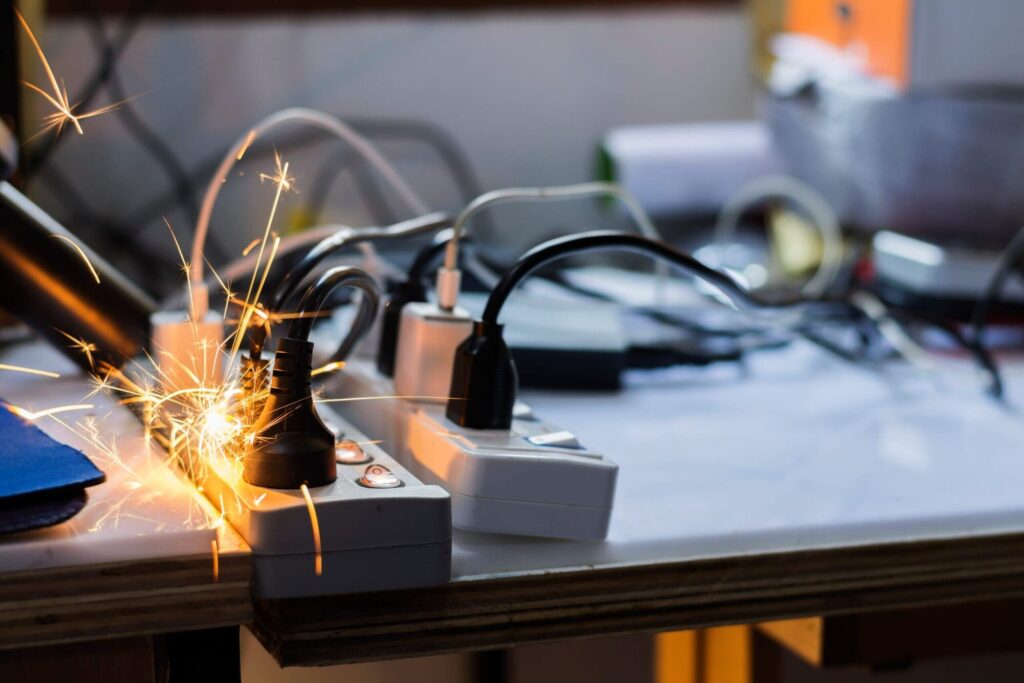
Electrical hazards pose a risk to your home and family every day. An electrical services company in Greensboro can help identify potential dangers before they become serious problems. This guide covers the most common electrical hazards you might face and practical steps to prevent them. You’ll learn about circuit overloading, proper grounding, safe appliance handling, and warning signs of faulty wiring. Understanding these risks helps you create a safer environment, whether at home or in the workplace.
Understanding Electrical Hazards
Several types of electrical hazards exist in both homes and workplaces. Electric shock occurs when your body becomes part of an electrical circuit, potentially causing burns, organ damage, or even death. Arc flashes are sudden releases of electrical energy that cause severe injuries and fires. Contact with overhead power lines can lead to electrocution. Insulation failure creates short circuits and fires. Exposed wires, improper grounding, and faulty equipment also create dangerous situations. Knowing these dangers helps you stay safe around electricity.
Overloading Circuits Risks
Circuit overloading creates serious dangers for people and property. When the electricity flow exceeds the wiring’s capacity, it causes overheating, fires, and damage to equipment. Here’s how to prevent overloading:
- Calculate Load Limits: Figure out the maximum load each circuit can safely handle.
- Use Power Strips Wisely: Avoid plugging too many devices into a single power strip or outlet.
- Upgrade Wiring: Install wiring that supports the electrical needs of modern appliances.
- Spread the Load: Distribute devices across different circuits instead of loading one heavily.
Importance of Grounding Systems
Grounding systems keep you safe by providing a path for excess electricity to flow harmlessly into the ground. Without proper grounding, voltage can build up and cause electrical shock or fires. These systems create a direct connection between electrical devices and the earth, making a low-resistance path for fault currents. This protects people, equipment, and buildings from dangerous voltage during faults or lightning strikes. Proper installation following electrical codes is necessary. Regular inspections and maintenance keep the system working correctly. Grounding protects against electrical hazards and should be part of every electrical system.
Safe Handling of Electrical Appliances
Safe appliance handling prevents accidents and keeps everyone protected. Follow these practices:
- Inspect Cords and Plugs: Regularly check for frays, cuts, or exposed wires.
- Avoid Overloading Outlets: Spread appliances across different outlets to prevent overheating.
- Unplug When Not in Use: Disconnect appliances when not in use to reduce fire risk.
- Use Ground Fault Circuit Interrupters (GFCIs): Install GFCIs in bathrooms, kitchens, and other areas prone to moisture to prevent electric shock.
Identifying Faulty Wiring Signs
Spotting faulty wiring early prevents serious problems. Flickering or dimming lights suggest potential wiring issues. Discolored or warm outlets indicate overheating due to faulty wiring. Tripped circuit breakers or frequently blown fuses signal wiring problems that need immediate attention. A burning smell near outlets or appliances indicates a danger and requires immediate action. Sparking or buzzing sounds from switches or outlets clearly indicate faulty wiring that needs professional repair. Stay alert for these signs to catch problems early and keep your space safe.
Regular Maintenance Practices
Routine maintenance ensures that electrical systems operate safely and efficiently. Schedule these tasks regularly:
- Inspecting Wiring: Look for signs of wear, damage, or loose connections.
- Testing Ground Fault Circuit Interrupters (GFCIs): Ensure GFCIs function properly to protect against electric shocks.
- Cleaning Electrical Panels: Remove dust and debris that can cause overheating and increase the risk of fires.
- Checking for Voltage Fluctuations: Monitor voltage levels to spot irregularities that could damage appliances or create safety risks.
Related Topics: