
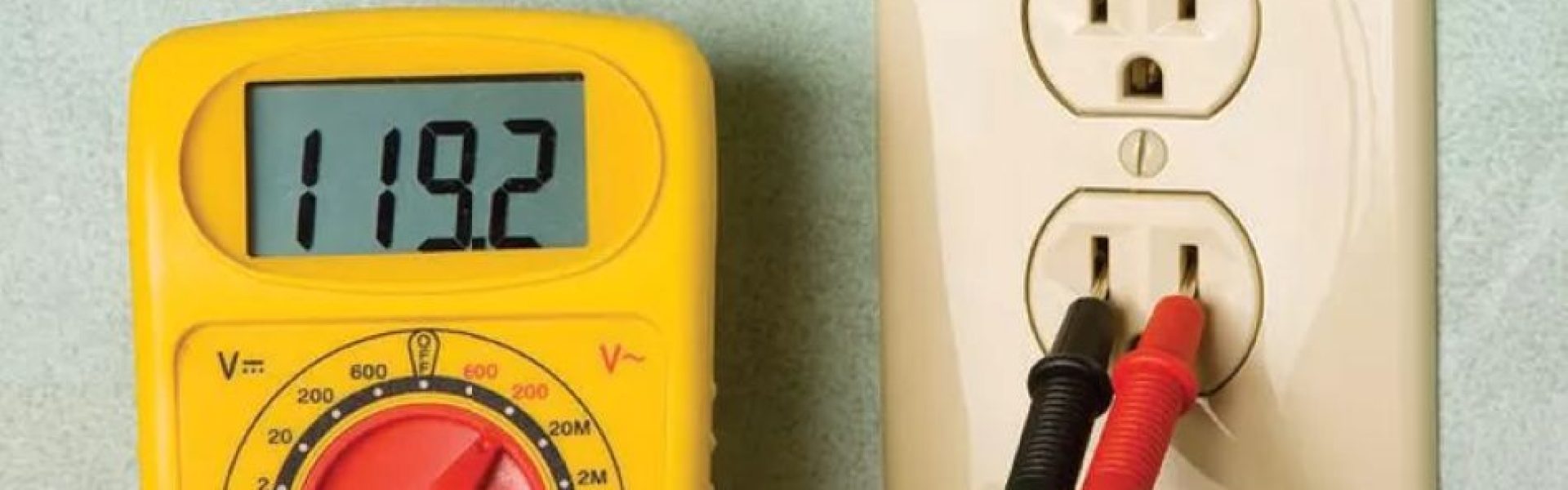

Testing an electrical outlet at home helps ensure that your power supply is both safe and functional. To do this correctly, an electrician or homeowner should verify that the circuit breaker is off, use a voltage tester to confirm no current is present, and follow standard safety practices. A multimeter can then be used to check grounding and polarity. Knowing how these devices work together helps prevent electrical hazards and protects your home’s wiring system, though many homeowners prefer leaving outlet testing to professional home electrical services to avoid potential risks and ensure accurate results.
Safety Guidelines Before Testing
Safety should always come first when working with electricity. Begin by switching off the circuit breaker that controls the outlet you’ll be testing. Afterward, confirm that there’s no live current using a non-contact voltage tester. Always wear insulated gloves and safety goggles, and avoid metal tools that could cause a short circuit. Handle wires only with insulated probes or clips. Many experienced homeowners mention that using high-quality tools and taking a few extra seconds to confirm the outlet is off significantly reduces risk.
Tools You’ll Need
A few reliable tools make all the difference in safe testing. Commonly used equipment includes:
- Voltage tester: Checks if the outlet is live before any direct contact.
- Insulated gloves: Protect against shock while handling wires.
- Safety goggles: Prevent eye injuries from sparks or debris.
- Probes or clips: Allow safe contact with terminals.
- Multimeter: Measures resistance, voltage, and polarity.
Choose tools that meet recognized safety standards and are rated for your home’s voltage. Homeowners often find that investing in quality gear adds an extra layer of confidence when performing maintenance tasks.
How To Test for Power
To test if an outlet has power:
- Confirm that your voltage tester works by checking it on a known live outlet.
- Put on insulated gloves and stand on a dry surface.
- Gently insert the tester probes into the outlet slots.
- Avoid touching the metal portions of the device.
A functioning outlet typically shows around 110–120 volts. If there’s no reading, leave the outlet unused until it’s inspected by a licensed electrician. Following this procedure not only prevents shocks but also ensures the outlet is safe for appliances and lighting fixtures.
How To Test for Ground
Proper grounding prevents electrical shocks and equipment damage. To test it safely:
- Make sure the power is off using a non-contact voltage tester.
- Set your multimeter to measure resistance (ohms).
- Place one probe in the hot slot and the other in the ground slot.
- A good ground usually reads below 5 ohms.
If the resistance is high or infinite, there might be a grounding issue that requires professional attention. Many electricians note that consistent ground testing is one of the easiest ways to maintain long-term electrical safety in homes.
How To Test for Polarity
Polarity testing ensures that the outlet’s hot and neutral connections are correctly aligned. Incorrect polarity can damage electronics or cause shocks.
- Set your digital multimeter to AC voltage mode.
- Insert one probe into the smaller slot (hot) and the other into the larger slot (neutral).
- A correct reading is typically between 110 and 120 volts.
- A reversed polarity often shows a negative value or unusual reading.
If results appear inconsistent, it’s best to contact a professional for troubleshooting.
Additional Tips for Safe Outlet Testing
Homeowners frequently report feeling more confident after learning basic outlet testing techniques. Consistent checks, combined with professional maintenance when needed, help ensure that your home’s electrical system remains safe and dependable.
- Always switch off the circuit breaker before touching any outlet.
- Double-check that the outlet is inactive using a non-contact tester.
- Use insulated tools and make sure the handles are in good condition.
- Inspect wires for damage before testing.
- Confirm your multimeter is rated for your home’s voltage range.
- If anything seems unusual, like flickering lights or burning smells, stop immediately and call an expert.
Contact Us
Have electrical questions, need a quote, or want to schedule service?
We’re here for you day or night.
📞 Phone: (336) 650-6236
✉️ Message: Use the contact form on our website under “Get In Touch” to send us a message.
📍 Service Areas: 321 New St, Greensboro, NC 27405. We handle both residential and commercial projects.
Related Topics: