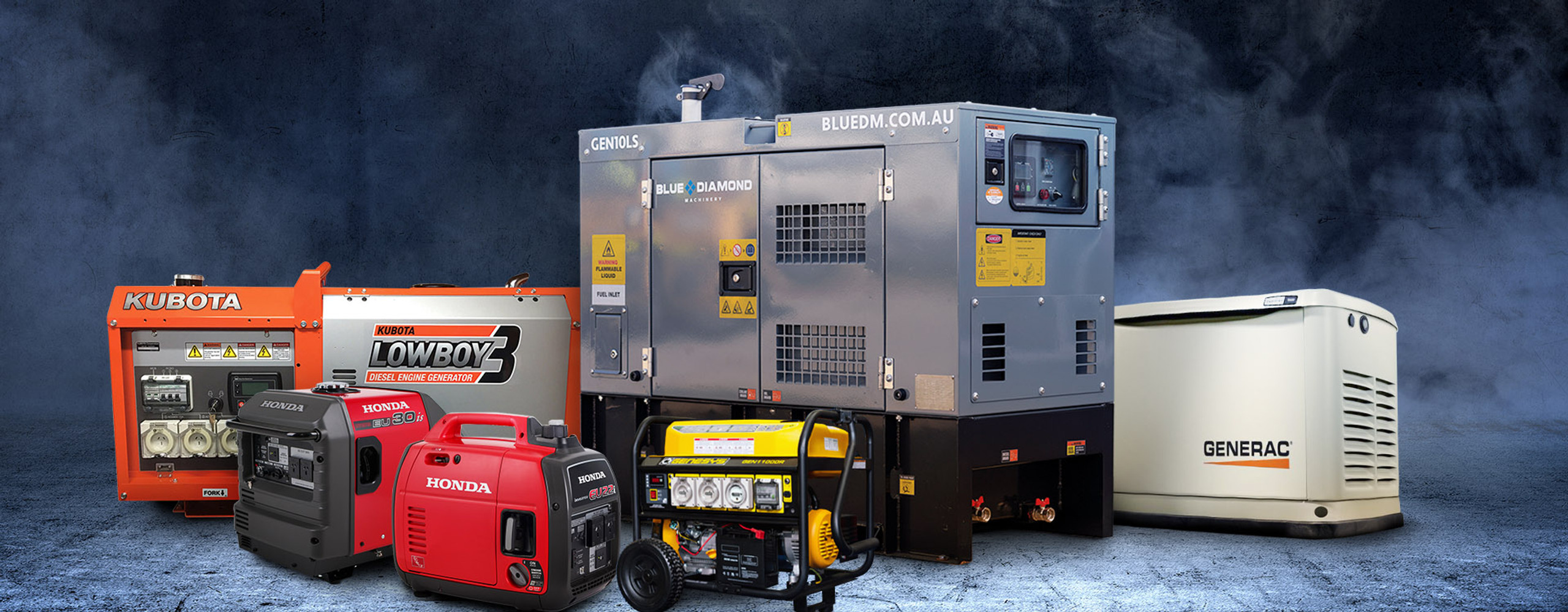
Choosing the right generator size can feel overwhelming with so many options available, but understanding your specific needs makes the decision much easier. Whether you’re preparing for emergency power outages or need portable power for work sites, getting the size right affects both performance and cost. Many homeowners and businesses consult with a trusted electrical company to help determine their exact power requirements and ensure safe installation. This guide walks you through the key factors to consider when selecting a generator, from calculating your power needs to understanding fuel options and portability requirements. By the end, you’ll have a clear understanding of what size generator will best serve your specific situation.
Power Requirements
Before purchasing a generator, it’s necessary to accurately determine the specific power requirements needed to guarantee adequate performance during power outages. Calculating the wattage demands of your needed appliances and devices is important for selecting the right generator size. Start by listing all the items you want to power simultaneously during an outage. Then, identify the running and starting watts of each device, considering factors such as motor-driven equipment that may have higher starting power requirements. Add up these values to find the total wattage required. Remember to include a buffer for potential additional appliances or future needs. Overloading a generator can lead to inefficiencies or damage, so precise calculations are crucial to ensuring optimal performance.
Fuel Type
Considering the fuel type is an important factor when selecting a generator for your specific power needs. Different fuel types have distinct advantages and limitations that can significantly impact the performance and maintenance requirements of your generator. Here are five key considerations regarding fuel types for generators:
- Fuel Availability: Assess the accessibility of the chosen fuel type in your area.
- Storage Requirements: Consider the storage conditions and regulations for the fuel type you choose.
- Cost: Evaluate the long-term costs of using a specific fuel type.
- Environmental Impact: Understand the environmental footprint associated with the fuel type.
- Longevity: Look at the shelf life and stability of the fuel for storage purposes.
Intended Usage
Evaluating the intended usage of a generator is important in determining the appropriate size and features required to meet specific power demands efficiently. Consider the types of appliances or tools that will require power. Calculate the total wattage that these devices consume to ensure the generator’s capacity aligns with the load requirements. Analyze the frequency and duration of usage. Continuous use for extended periods requires a generator with higher wattage and fuel efficiency. For intermittent use or occasional power outages, a smaller generator may be enough. Understanding the intended application, whether for residential backup power, construction sites, camping, or RV travel, helps in selecting the right generator size and features to optimize performance and longevity.
Portability Considerations
When evaluating the portability of a generator, it’s essential to prioritize weight and dimensions for ease of transportation and storage. Factors to consider include:
- Weight: Choose a generator that can be easily lifted or moved without strain.
- Size: Make sure the dimensions fit through doorways and into storage spaces.
- Wheels: Look for models with durable wheels for easy movement.
- Folding Handles: Generators with collapsible handles are easier to transport and store.
- Compact Design: Opt for a generator with a compact build for convenient portability without compromising power output.
Noise Level
A crucial factor to consider when selecting a generator is the noise level it generates during operation. The noise level of a generator is measured in decibels (dB) and can significantly impact its usability, especially in residential areas or during camping trips. Generators with lower decibel ratings are considered quieter and more suitable for environments where noise pollution is a concern. Typically, inverter generators are quieter than conventional open-frame generators due to their advanced sound-dampening technology. When comparing noise levels, it’s important to consider the distance at which the measurement is taken, as sound intensity decreases with distance. Selecting a generator with a noise level that aligns with your requirements ensures you have a more pleasant and peaceful experience during operation.
Related Topics: