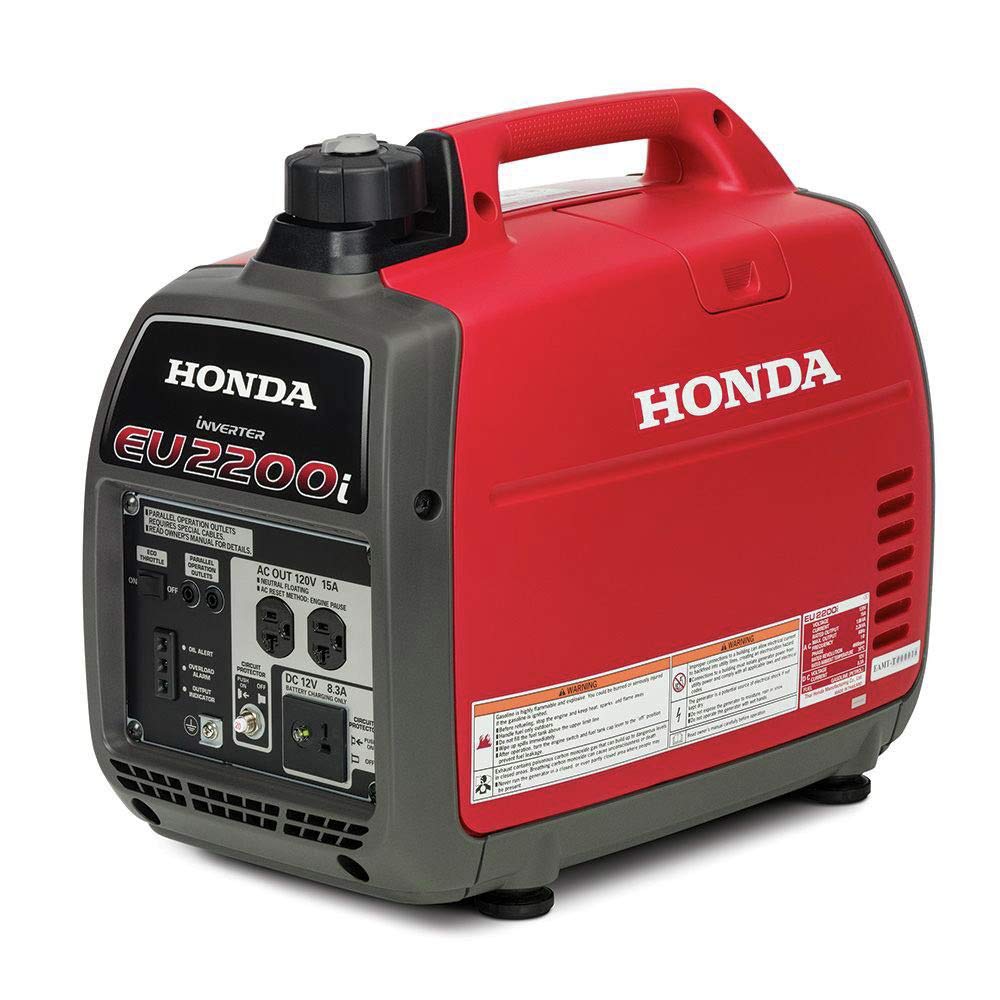
Inverter generators have become increasingly popular due to their clean power output and quiet operation; however, many people are unfamiliar with how they operate or what distinguishes them from regular generators. These advanced power sources are ideal for camping, tailgating, or providing backup power for sensitive electronics at home. Understanding the technology behind inverter generators helps you make informed decisions about portable power solutions tailored to your specific needs. This guide breaks down everything you need to know about inverter generators in simple terms, from how they work to their advantages over conventional models. Whether you’re planning outdoor adventures or need reliable backup power, consulting with a qualified electrical contractor can help you select the right generator for your specific needs.
What Is an Inverter Generator?
An inverter generator differs from conventional generators in that it produces AC power, which is then converted to DC power. This DC power is then changed back to clean AC power using advanced electronic circuitry. The key benefit of this process is that it creates a consistent flow of energy, making it safe for sensitive electronic devices, such as laptops and smartphones. Inverter generators are recognized for their fuel efficiency, as they adjust the engine speed according to the required power output, unlike conventional generators that operate at a constant speed. This feature not only saves fuel but also reduces noise levels, making inverter generators ideal for different applications, from camping to powering home appliances during outages.
How Does an Inverter Generator Work?
Inverter generators function by first converting AC power into DC power, which is then changed back to clean AC power through sophisticated electronic circuitry. The process begins with the alternator producing AC power, which is then converted to DC power by the generator’s rectifier. This DC power is then passed through the inverter, an important component that converts it back to AC power. The inverter makes sure that the output power is stable and free from fluctuations, making it safe for sensitive electronic devices. By adjusting the engine speed to match the required load, inverter generators can operate more efficiently and produce only the necessary amount of power, resulting in quieter operation and improved fuel efficiency compared to conventional generators.
Advantages of Using an Inverter Generator
Using an inverter generator offers several significant advantages over traditional generators. One key benefit is its ability to produce clean and stable power, making it safe for sensitive electronics like laptops and smartphones. Inverter generators are also highly fuel-efficient, adjusting their engine speed according to the required load, which results in lower fuel consumption and quieter operation. These generators are typically more compact and lightweight than conventional models, enhancing portability for various outdoor activities, such as camping or tailgating. They also produce fewer emissions, making them more environmentally friendly. The advanced technology in inverter generators provides consistent power output, reducing the risk of fluctuations that could damage your devices or appliances.
Understanding the Difference: Inverter Vs. Conventional Generator
When comparing inverter generators to conventional generators, the key distinction lies in their method of power generation and delivery.
- Output Type: Inverter generators produce pure sine wave power, while conventional generators deliver raw power.
- Fuel Efficiency: Inverter generators adjust the engine speed to match the required load, resulting in higher fuel efficiency compared to conventional generators that run at a constant speed.
- Noise Level: Inverter generators operate more quietly due to their advanced technology that allows for variable engine speed, whereas conventional generators tend to be noisier.
- Portability: Typically, inverter generators are more compact and lightweight than conventional generators, making them easier to transport and store.
Tips for Choosing the Right Inverter Generator
Understanding the key factors to consider when selecting the right inverter generator helps make sure you get the best performance and satisfaction with your purchase. First, consider the power output required based on your needs. Look for a generator with sufficient wattage to handle the appliances you need. Portability is another important aspect to evaluate. Select a model that strikes a balance between power output and ease of transportation. Noise levels can also impact your decision. Choose a generator with lower decibel levels for quieter operation. Consider the fuel efficiency of the generator to minimize running costs. Finally, prioritize safety features such as overload protection and automatic shut-off mechanisms to protect both the generator and connected devices.
Related Topics: