

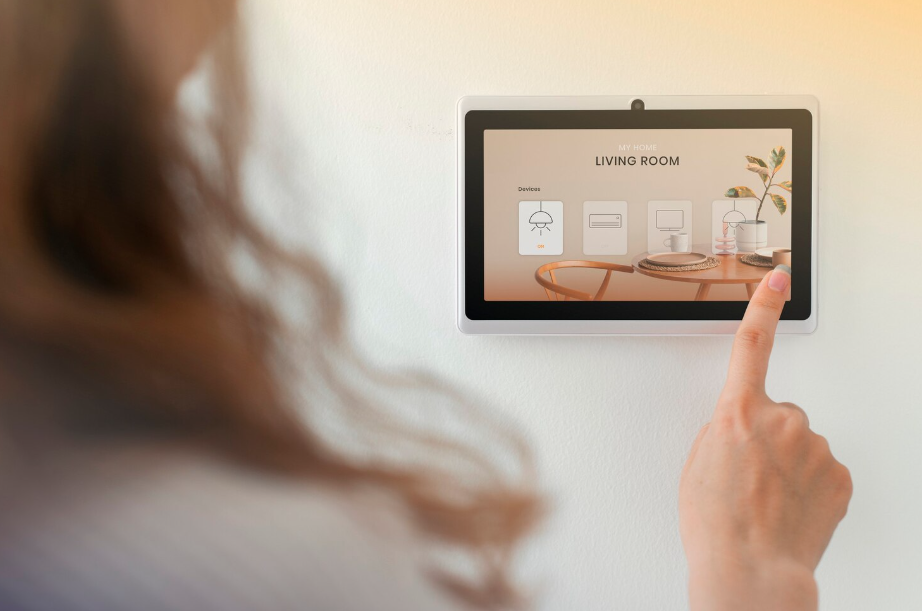
Smart switches connect to your home Wi-Fi, letting you control lights and appliances right from your phone or with voice commands. They replace normal wall switches but keep the same electrical wiring you already have. These little gadgets make home automation easier than ever, though it’s smart to check if you have a neutral wire before you start.
The switch chats with your router over a 2.4GHz signal. That means it works with most home networks without any extra gear.
If you are looking for top electrical services in Greensboro, NC, a licensed electrician can install these switches safely. They’ll make sure everything is set up correctly so you don’t run into issues later.
How Smart Switch Technology Actually Functions
The basic concept revolves around wireless communication between your wall switch and connected devices. Most models slide right into your existing electrical box, though they do need that neutral wire we mentioned. Installation typically takes about fifteen minutes if you’re comfortable with basic electrical work.
These switches operate through dedicated mobile apps that handle everything from basic on/off commands to complex scheduling routines. The control happens in real-time, so when you tap that app button, your lights respond immediately. Voice assistant compatibility adds another layer of convenience, letting you control devices hands-free while cooking or when your hands are full of groceries.
Network Integration and Device Communication
Getting your smart switches talking to other devices requires some attention to protocol compatibility. Zigbee and Z-Wave protocols work well for creating mesh networks, though standard Wi-Fi switches often provide the simplest setup process. Your router’s signal strength matters more than you might expect, especially if you’re installing switches in basement areas or rooms far from your main router.
Amazon Alexa, Google Assistant, and Apple HomeKit each offer different advantages for central control. Some switches work with multiple platforms, which gives you flexibility if you decide to switch ecosystems later. The key is making sure everything communicates reliably without constant connection drops or delayed responses.
Controlling Your Home from Anywhere
Remote access transforms how you interact with your home’s electrical systems. Whether you’re stuck in traffic and want to turn on porch lights or you’re on vacation and want to simulate occupancy patterns, smartphone control makes it possible. The apps usually include energy monitoring features that show real-time power consumption, which can be eye-opening when you see how much certain devices actually cost to run.
Security protocols protect these remote connections through encryption and user authentication. Most manufacturers update their security regularly, though it’s worth checking for firmware updates periodically. Voice control adds convenience for everyday use, particularly when you’re carrying things or have your hands occupied with other tasks.
Automated Scheduling and Smart Features
Timer functionality lets you create lighting schedules that match your daily routine. Morning schedules can gradually brighten lights to help with waking up, while evening schedules can dim lights automatically as bedtime approaches. Weekend schedules might run differently from weekday patterns, and vacation modes can randomize timing to make your home look occupied.
Motion sensor compatibility takes automation a step beyond basic scheduling. Lights can turn on when you enter a room and shut off when the space stays empty for a preset time. Sunrise and sunset triggers adjust automatically throughout the year, so your outdoor lighting stays synchronized with natural light cycles.
Some switches learn from your usage patterns over time, though this feature varies by manufacturer. The more advanced models can suggest schedule modifications based on how you actually use different rooms.
Energy Savings and Cost Benefits
Power monitoring capabilities reveal consumption patterns you probably didn’t know existed. Many homeowners discover that certain appliances draw standby power even when they appear to be off. Smart switches can eliminate this phantom load by completely cutting power to devices during scheduled off times.
Real-time energy data helps identify the biggest power consumers in your home. You might find that your old ceiling fan uses more electricity than expected or that leaving certain lights on overnight costs more than you realized. The monitoring features usually display both current usage and historical trends, making it easier to spot changes in consumption patterns.
Automated controls prevent devices from running unnecessarily. Bathroom fans can shut off automatically after preset intervals, and outdoor lighting can adjust based on actual sunset times rather than fixed schedules that waste energy during longer summer days.
Installation Requirements and System Compatibility
Most smart switches need neutral wires to function properly, though some newer models work without them. Your home’s age affects compatibility, since houses built before the 1980s might have different wiring configurations. If you’re unsure about your electrical setup, checking with an electrician before purchasing switches can save headaches later.
Wi-Fi signal strength becomes critical for reliable operation. Switches installed in metal electrical boxes or areas with thick walls might experience connectivity issues. Range extenders or mesh router systems can solve coverage problems in larger homes.
Hub requirements depend on the specific switch technology you choose. Wi-Fi switches typically connect directly to your router, while Zigbee or Z-Wave models might need separate hubs for coordination. The hub approach can actually provide better reliability and extended range, though it adds complexity to your initial setup.
Existing smart home ecosystems influence which switches work best for your situation. If you already have other smart devices, choosing switches that integrate with your current platform simplifies management and often provides better automation possibilities.
Contact Us
Have electrical questions, need a quote, or want to schedule service? We’re here for you day or night!
Phone: (336) 499-2015
Message: Use the contact form on our website under “Get In Touch” to send us a message.
Service Areas: 321 New Street, Greensboro, NC 27405
Business Hours: Open 24 hours
We handle both residential and commercial projects.
Related Topics: