
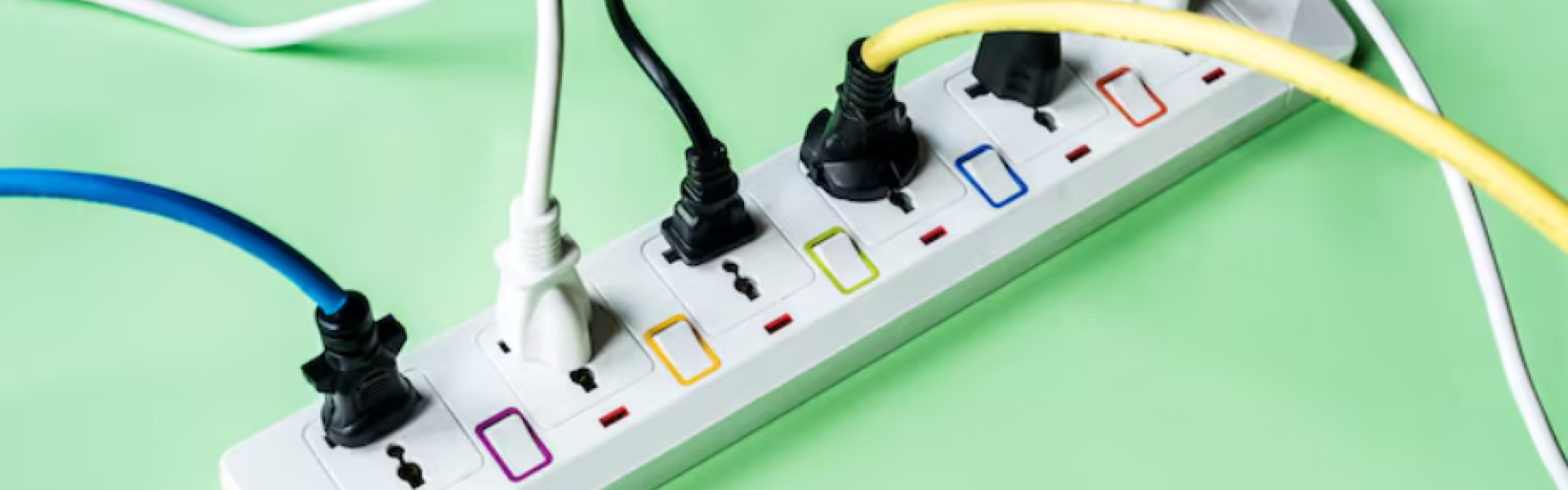
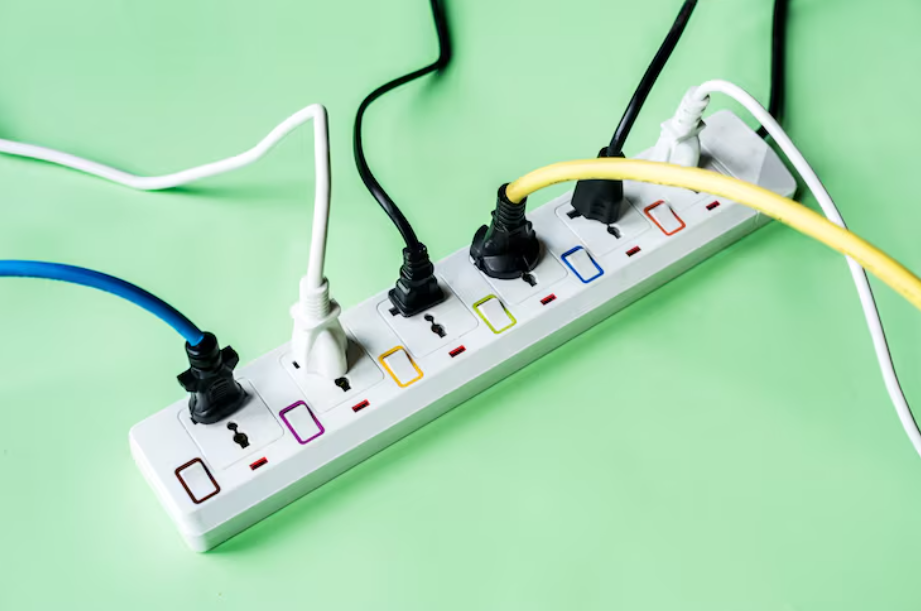
So, surge protectors are kind of one of those things you don’t think about until something goes wrong. Basically, they stop voltage spikes from frying your electronics. You know, like when lightning strikes nearby, or the power grid does something weird. If you want to be safe, calling someone who offers licensed electrical services can ensure your home setup is properly handled.
They redirect extra electricity away from your devices, kind of like sending it down a side road instead of crashing into your gadgets. Some are tiny strips for your desk, some protect your whole house, and some focus on one important device. It might seem like overkill at first, but honestly, it’s worth it.
Importance of Surge Protectors
These little devices are important. Without them, a spike in power can ruin your computer, your TV, and maybe even your fridge. Lightning, electrical faults, or just random surges from your utility can all mess stuff up.
They divert the extra voltage into the ground so it doesn’t touch your devices. Even a small surge can mess things up, so having protection is a no-brainer. And yeah, old surge protectors stop being effective after a while, so swapping them out is a good idea.
How Surge Protectors Work
Okay, here’s the nerdy part, but I’ll try to make it simple. They use stuff like metal oxide varistors (MOVs), which basically change resistance when the voltage spikes. There are also gas discharge tubes (GDTs) that safely short-circuit the spike. Avalanche diodes do something similar, and thermal fuses cut things off if they get too hot.
Sounds complicated. But really, it’s just a way to stop electricity from frying your electronics. Think of it like a bouncer at a club letting normal power in but keeping the troublemakers out.
Types of Surge Protectors
There are a few types, and not all are equal. Basic power strips with surge protection are fine for everyday stuff, but your high-end computer or TV might need more. Some have extra features, such as noise filtering or phone/cable line protection.
Then there are whole-house surge protectors, which handle everything coming in from the utility lines. Point-of-use protectors focus on one device, like your gaming setup. Honestly, some people mix them depending on what’s important to them; it’s not one-size-fits-all.
Benefits of Using Surge Protectors
So why bother? They keep the voltage steady and prevent damage. They can also block random electrical noise that messes with sensitive devices. And if lightning strikes or your panel hiccups, your electronics are much safer.
It’s one of those things that seems small until something goes wrong, and then you’re glad it’s there. Just having one can save a lot of headaches and money in the long run.
Factors to Consider When Buying
When you’re picking one, joule rating matters; that’s how much energy it can take before failing. Higher is usually better. Also, count the outlets so you can plug in everything now and maybe some future gadgets.
Think about your home’s setup too. Some rooms or devices might need more protection than others. Planning a little now saves a lot later.
Tips for Proper Surge Protector Use
A few quick tips: don’t overload it. Make sure it’s grounded correctly. Check it every so often for wear or scorch marks. And if it’s old or took a big hit, replace it.
People forget these little things and then wonder why their electronics get fried. Treat it like a safety tool, not just a fancy power strip, and it’ll do its job.
Related Topics: