Commercial electricians do a lot more than most people think. You see them dealing with wiring, panels, and all the hidden stuff that keeps buildings running, but most of the time, nobody really notices it.
Greensboro’s best electrical services cover it all, installing, repairing, testing, and making sure nothing blows up or shorts out. They read diagrams, follow rules, and sometimes just kind of “know” what’s going to fail first. They start as apprentices, spend time learning hands-on, then go through school and get licensed so they can handle complicated systems without breaking anything. It’s one of those jobs where attention to tiny details really matters.
Job Description of Commercial Electricians
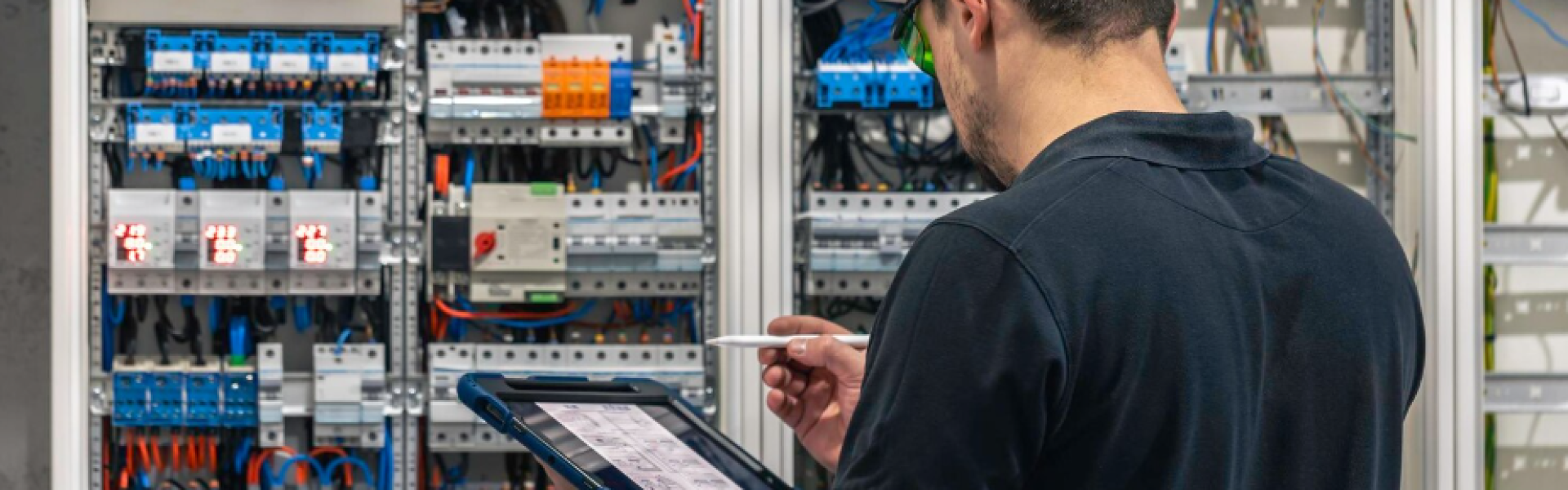
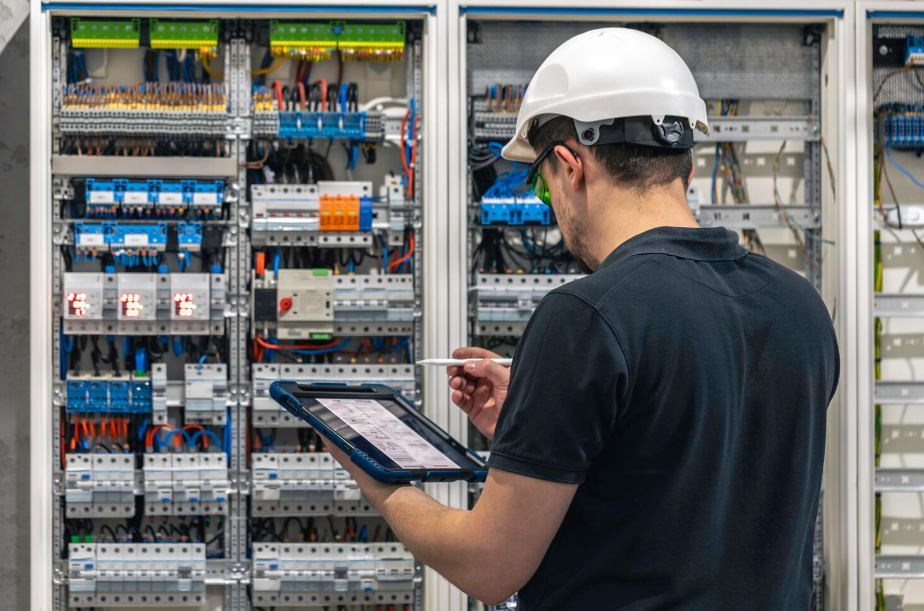
Commercial electricians work in office buildings, stores, factories, and basically anywhere electricity is running a business. They install new wiring, fix old circuits, and troubleshoot problems that pop up unexpectedly. Reading blueprints and diagrams is part of the job, but so is knowing what “looks off” just by walking into a room.
Safety is huge because mistakes can hurt people or ruin equipment. They wear protective gear, follow strict rules, and try to stay one step ahead of accidents. Patience, noticing small things, and being methodical go a long way in this line of work.
Importance of Electrical System Installation
Installing an electrical system right the first time is worth it. If you cut corners, circuits overload, equipment fails, or worse, someone could get hurt. Doing it right means checking the expected load, picking the right equipment, and making sure everything complies with building codes.
It’s tedious, and some people might zone out during it, but the end result is a system that works. And when it does, it saves headaches later, trust me, nobody wants to be called to fix a building that’s constantly tripping breakers.
Key Responsibilities in Maintenance
Maintenance is where the “invisible work” really shows up. Electricians inspect, test, tighten connections, replace worn parts, and generally keep the system from failing. Sometimes it’s cleaning a little dust off a breaker; sometimes it’s replacing a worn-out component that could have caused a fire. It’s repetitive at times, but every step keeps the building safe and running.
Regular checkups prevent emergencies and make sure everything lasts longer. You don’t notice it when it works, but you really notice it when it doesn’t.
Troubleshooting Skills and Techniques
When things go wrong, electricians have to think fast. They check the obvious first and work toward the complicated stuff. Tools like multimeters or thermal scanners help figure out what’s happening inside a wall or panel.
Then comes the thinking part: reading schematics, tracing wires, and comparing what’s on paper to what’s actually happening. It’s not just tools; it’s experience, pattern recognition, and sometimes gut feeling that help solve the problem quickly.
Safety Measures and Regulations
Safety can’t be ignored. Electricians check for hazards before touching anything, suit up with gloves and goggles, and follow rules to avoid shocks or worse. Lockout/tagout is standard, and everything has to meet the National Electrical Code.
Regular training keeps them up to date, but honestly, a lot of safety is just thinking ahead and paying attention. Even small mistakes can be costly, so caution is constant.
Career Path and Training Requirements
Becoming a commercial electrician isn’t instant. Most start as apprentices, get hands-on training, go through technical courses, and finally earn licenses.
Certification proves they know what they’re doing, especially in commercial settings where systems are more complex than your average house. It’s a slow grind, but it ensures the electrician knows their stuff, which is what keeps buildings powered safely.
Related Topics: