 Most older homes in Greensboro were wired for a life that looked very different from how people live now. Fewer devices, no smart systems, and appliances that drew a fraction of the power that today’s equivalents require. The electrical system that was perfectly adequate in 1985 is often genuinely struggling to keep up in 2026.
Upgrading it isn’t just about convenience. It’s about safety, lower energy bills, and making the house work the way it’s supposed to. Dependable electrical solutions address those issues in a way that pays off both immediately and over time. Here’s where to start.
Benefits of Electrical Upgrades
Safety is the most compelling reason to upgrade. Deteriorated wiring, overloaded panels, and outdated components are consistently among the leading causes of residential fires, and most of those situations develop slowly and quietly before anything obvious happens.
Energy efficiency is the next benefit people notice. Modernized electrical systems handle loads more cleanly and waste less power, which shows up as a real reduction in monthly utility costs over time.
There’s also a property value argument worth making. Home inspectors flag outdated electrical systems, and buyers use those findings to negotiate. Upgraded wiring and panels remove that leverage and make the home easier to sell at full value.
Lighting Upgrades for Efficiency
The shift to LED bulbs is the most straightforward upgrade available and one of the fastest to pay for itself. LEDs draw significantly less power than older bulbs, generate less heat, and last long enough that replacement stops being a regular chore.
Dimmer switches extend those gains by letting you dial back output when a room doesn’t need full brightness. Over the course of a year, that adds up.
Smart lighting with motion sensors and timers removes the human variable entirely in high-traffic areas. Lights in a hallway or garage that no one remembers to turn off stop wasting energy when the system handles it automatically.
Smart Home Technology Integration
Smart home features have moved past the novelty stage, but they only work reliably when the electrical system behind them is solid. Voice-controlled lighting and climate systems, smart thermostats that adjust around your schedule, and automated security features all depend on wiring and panel capacity that can handle the load without issue.
Smart security setups with remote monitoring and motion-triggered cameras add a layer of protection that older alarm systems don’t come close to matching. Being able to check on your home from your phone while you’re away is genuinely useful, not just a selling feature.
The mistake people make is adding smart devices to the electrical infrastructure that wasn’t designed for them and then wondering why things are unreliable. Getting the foundation right first makes everything else work the way it’s supposed to.
Upgrading Outdated Wiring
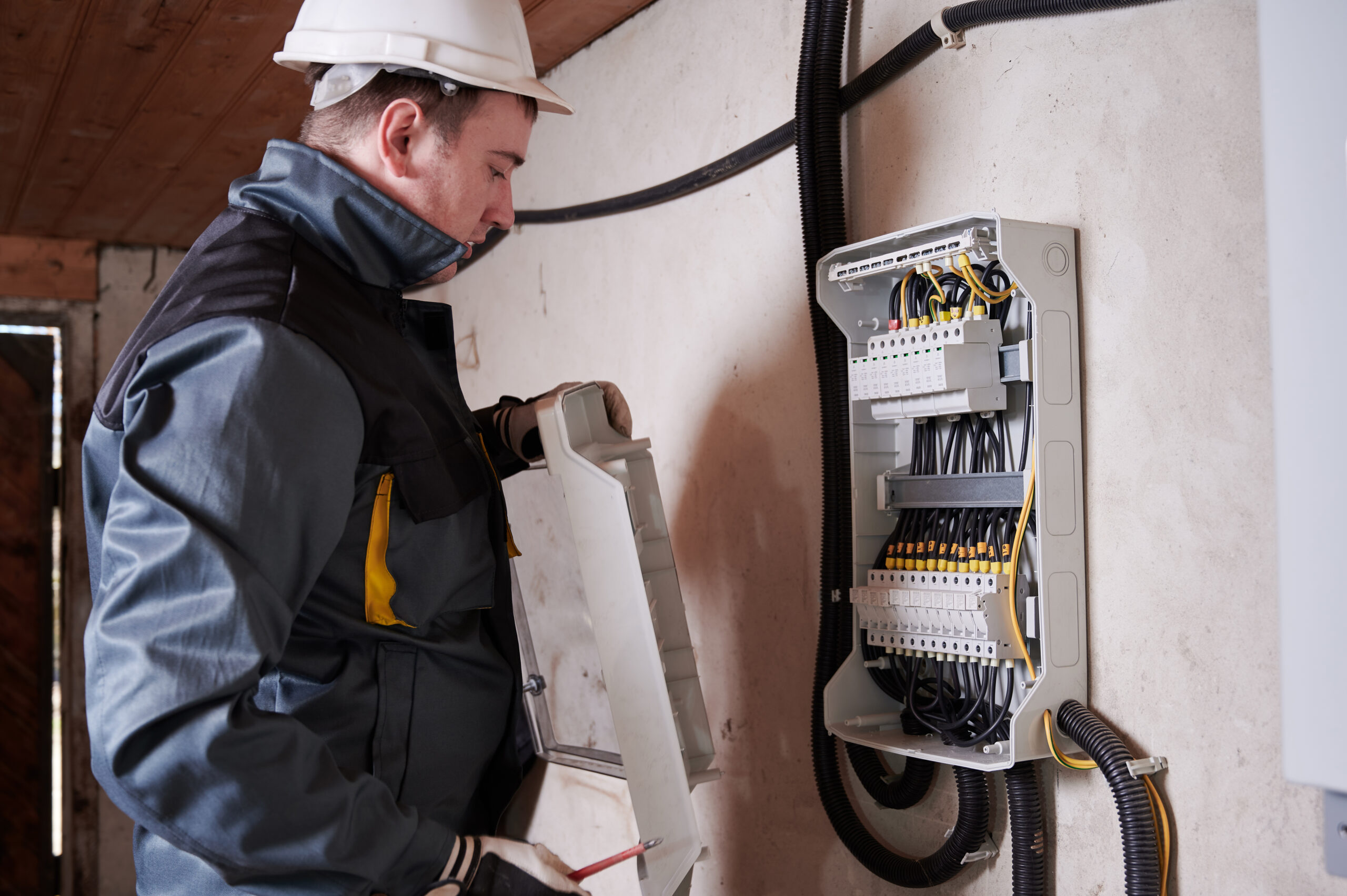
In a lot of Greensboro homes, the wiring has been in place for 30, 40, or 50 years. Insulation breaks down. Wire gauges that made sense for older appliances don’t handle modern loads well. Panels that haven’t been touched in decades may have issues that aren’t visible without a proper inspection.
The problem with aging wiring is that it often doesn’t announce itself until something fails. Upgrading before that point is considerably less disruptive and less expensive than dealing with it after a failure.
Modern wiring handles today’s electrical demands reliably, reduces the risk of shorts and overloads, and provides a stable base for smart technology and high-draw appliances. A licensed electrician can tell you exactly what you’re working with and where the risks actually are.
Enhancing Home Safety Measures
Tamper-proof outlets are a code requirement in new construction and a sensible upgrade in any older home, particularly if children are present. They’re inexpensive and straightforward to install, and they address a real risk that standard outlets don’t account for.
Outdoor lighting around entry points, driveways, and areas with poor visibility makes the home more secure and more usable after dark. A well-lit exterior is one of the more effective deterrents available.
Smoke detectors and carbon monoxide alarms need to actually work when they’re needed. Hardwired models with battery backup are more reliable than battery-only versions, and any device that’s more than ten years old should be replaced, regardless of whether it tested fine last month.
Choosing Upgrades for Your Budget
The starting point is always what the home actually needs, not what would be nice to have. Safety issues and anything that’s out of compliance with current codes come first. Everything else gets prioritized from there based on impact and cost.
A phased approach works well for most homeowners. Address the urgent items in the first phase, then plan the efficiency and convenience upgrades across a reasonable timeframe. Trying to do everything at once usually means doing some of it poorly or running over budget.
A proper assessment from a licensed electrician is the most useful thing you can do before spending anything. It tells you what’s actually going on with the system, what needs attention now, and what can wait, which is the only rational way to plan an upgrade budget.
Related topics: