
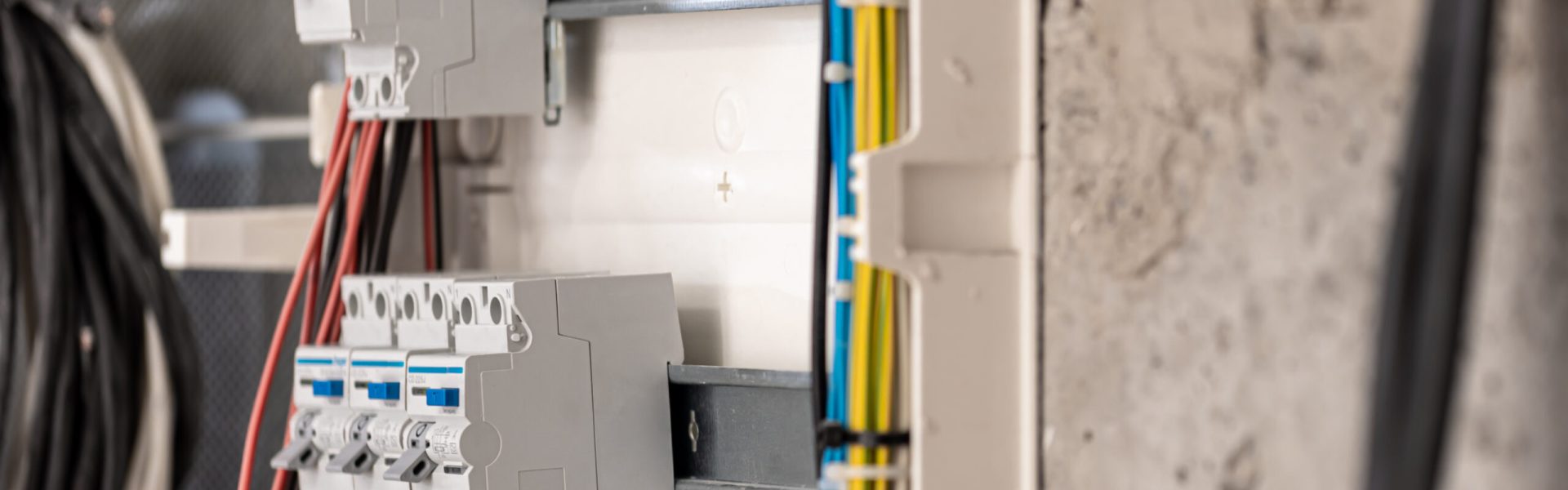

Look, swapping out an electrical breaker isn’t rocket science, but you’ve gotta respect what you’re working with here. Electricity can mess you up bad if you’re careless. That said, this is totally doable for anyone who’s comfortable with basic home repairs and willing to follow some safety rules. Complicated electrical stuff? Yeah, leave that to a trusted local electrician. But a straightforward breaker swap?
You can handle it. We’re gonna cover the safety stuff you absolutely cannot skip, what tools you’ll need, how to yank out the old breaker, get the new one in there, and make sure everything’s working right. Maybe your breaker keeps tripping and won’t reset, or you need more amps for that new air conditioner – whatever the reason, here’s how you do it without burning your house down.
Safety Precautions
Electricity will absolutely wreck your day if you don’t treat it with respect, so let’s talk safety before you touch anything. Kill all power to the breaker panel – I’m talking flip that main breaker off. Then grab your voltage tester and actually verify there’s no juice running through the circuit you’re about to work on. Seriously, don’t just trust the switch position.
Throw on some insulated gloves and safety goggles, too, because weird stuff can happen. Work somewhere with good lighting so you can see what you’re doing instead of fumbling around in the dark. And hey, read the manufacturer’s instructions for your specific breaker model – they’re not all identical. Skip any of this stuff, and you’re asking for trouble. Do it right, and you’ll be fine.
Tools Needed
You don’t need a ton of equipment for this, but what you do need matters. Grab a screwdriver set with multiple sizes because panel screws aren’t standardized, and you need the right fit. A non-contact voltage tester is mandatory – this isn’t optional, this is how you know for sure the power’s actually off. You’ll also want needle-nose pliers for wrestling with wires in tight spots where your fingers won’t fit.
Having everything ready before you pop open that panel saves you from running around looking for tools halfway through the job. And using the right tools isn’t just about making things easier – it’s about not accidentally shorting something out or stripping a screw when you need it tight.
Shutting Off Power
Alright, time to kill the power. Find your main electrical panel – usually it’s hanging out in the basement, garage, or some utility closet. Pop open the door, and you’ll see all your breakers lined up in there. The main breaker is the big one, usually at the top, and it controls power to everything else. Flip that sucker to the off position. You should hear it click.
Now here’s the part where you don’t just assume it worked – go test some outlets and light switches around your house. Flip some lights, try to charge your phone, whatever. Nothing should work. If stuff’s still getting power, something’s wrong, and you need to figure out what before you proceed. Don’t move forward until you’re 100% certain that the panel is dead.
Removing the Old Breaker
Is the Power off? Good. Now you can actually touch stuff without risking electrocution. Find the breaker you’re replacing – they should be labeled, though sometimes those labels are old and useless. Once you’ve got the right one, grab your screwdriver and loosen the screws holding the wires to the breaker. Don’t just yank on the wires; loosen the screws first, or you’ll damage something.
Gently pull the wires free and tuck them somewhere safe where they won’t touch metal. Watch out for the other components in there while you’re working – accidentally shorting something else would be a real bad time. With the wires disconnected, grip the breaker and pull it straight out. It should slide out without too much force. If it’s really stuck, stop and make sure you didn’t miss a connection somewhere.
Installing the New Breaker
Line up your new breaker with the empty slot where the old one lived. Take a second to make sure it’s oriented correctly – installing it backwards won’t work and will probably damage something. Press it into the slot gently until it’s sitting flush against the panel. There’s usually a clip on the breaker that needs to slide onto the hot bus bar – that’s the metal strip running through the panel that powers everything. Get that clip seated properly and then push down on the breaker until it snaps in.
You’ll feel it click into place. Give it a little tug to confirm it’s actually locked in and not just sitting there. Now reconnect your wires – the neutral wire goes to the neutral bus bar (usually silver), and the ground wire goes to the ground bus bar. Tighten those screws down good. Not “gorilla strength” tight, but snug enough that the wires won’t pull loose. Check every connection twice because a loose wire is a fire hazard.
Restoring Power and Testing
Time to see if you did everything right. Before you flip the main breaker back on, eyeball everything one more time. Wires all connected? Nothing looks weird or crossed? Good. Turn the main breaker back on – the new breaker should still be off at this point. Flip your new breaker to the on position and listen. If you hear crackling or popping, kill the power immediately because something’s wrong. Assuming it stays quiet, grab your multimeter and check the voltage at the breaker terminals.
Single-pole should read around 120 volts, double-pole around 240. Numbers way off? Something’s not right. Test continuity to make sure currents’s flowing properly through the circuit. Now plug something into the circuit or turn on whatever that breaker controls. Does it work? Does the breaker stay on? If it trips right away, you’ve probably got a short or an overload issue to track down. But if everything powers up and stays on? Congrats, you just changed a breaker without calling an electrician or burning anything down. That’s a win.
Related Topics: