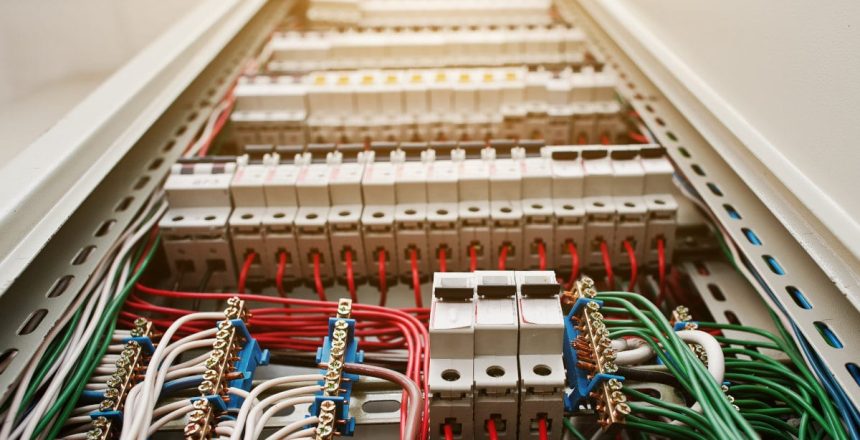
Your home’s electrical panel is the heart of your power system, but it won’t last forever. Knowing when you might need an electrical panel upgrade can prevent dangerous situations and keep your home safe. Several factors influence the lifespan of panels, including usage patterns and environmental conditions. This guide covers the typical lifespan of electrical panels and the warning signs that replacement is needed. You’ll learn how to maintain your panel and when it’s time for a professional inspection.
Importance of Electrical Panel Lifespan
Electrical panels typically last between 25 and 40 years, depending on how you use and maintain them. Environmental conditions also play a big role in longevity. As panels age, their components break down, which can create safety hazards like overheating, short circuits, or electrical fires. Regular inspections and maintenance help you catch problems before they become serious. Replacing an aging panel before it fails is the smart way to keep your electrical system reliable and safe.
Signs of an Aging Panel
Watching for warning signs helps you catch electrical panel problems early. Flickering lights often mean loose connections or overloaded circuits. Scorch marks or burning smells near your panel signal overheating or arcing issues that need immediate attention. Breakers that trip frequently or fuses that blow regularly show your panel is struggling to handle the electrical load. Corrosion on components, such as bus bars or circuit breakers, indicates wear and tear. Regular inspections by qualified professionals help you identify these warning signs before they escalate into dangerous situations.
Factors Influencing Panel Longevity
Maintenance and environmental conditions significantly impact the lifespan of your electrical panel. Taking care of your panel and monitoring its conditions can significantly extend its lifespan. Here are the main factors:
- Temperature: Extreme heat or cold speeds up wear and tear on electrical panels.
- Humidity: High moisture levels cause corrosion and break down panel components.
- Overloading: Pushing your panel beyond its capacity can cause overheating and damage.
Safety Risks of an Old Panel
Old electrical panels develop problems that put your home at risk. Loose connections, corroded wires, and overloaded circuits increase the chances of electrical fires or shocks. Watch for flickering lights, tripping breakers, or burnt smells near the panel these need immediate attention. Outdated panels often lack modern safety features, such as ground fault circuit interrupters (GFCIs) or arc fault circuit interrupters (AFCIs), which protect against electrical hazards. Without proper protection against overcurrent, you risk damage to equipment or fires. Regular inspections by qualified professionals ensure your old panel remains safe and functional.
Maintenance Tips for Panel Longevity
Routine maintenance keeps your electrical panel running safely for years. Regular upkeep prevents hazards and keeps everything working properly. Here are key maintenance tips:
- Inspect for Corrosion: Look for corrosion on panel components, as it causes poor connections and overheating.
- Tighten Connections: Check and secure all connections periodically to prevent loose wires that cause arcing and fire hazards.
- Clear Surrounding Area: Keep the area around your panel clear for proper ventilation and easy access during inspections.
Following these practices extends the life of your panel and maintains a safe electrical system.
When to Consider Panel Replacement
Check your electrical panel regularly for signs that replacement is needed. Circuits that trip frequently, breakers that won’t reset, or visible rust, corrosion, or overheating mean it’s time to consider a new panel. If your panel is outdated and can’t handle modern electrical demands, upgrading to a newer model with better safety features makes sense. Electrical panels typically last 25-40 years, so if yours is approaching this age range, it’s recommended to have a qualified electrician inspect it. They’ll assess its condition and discuss replacement options to keep your electrical system safe and efficient.
Related Topics: