
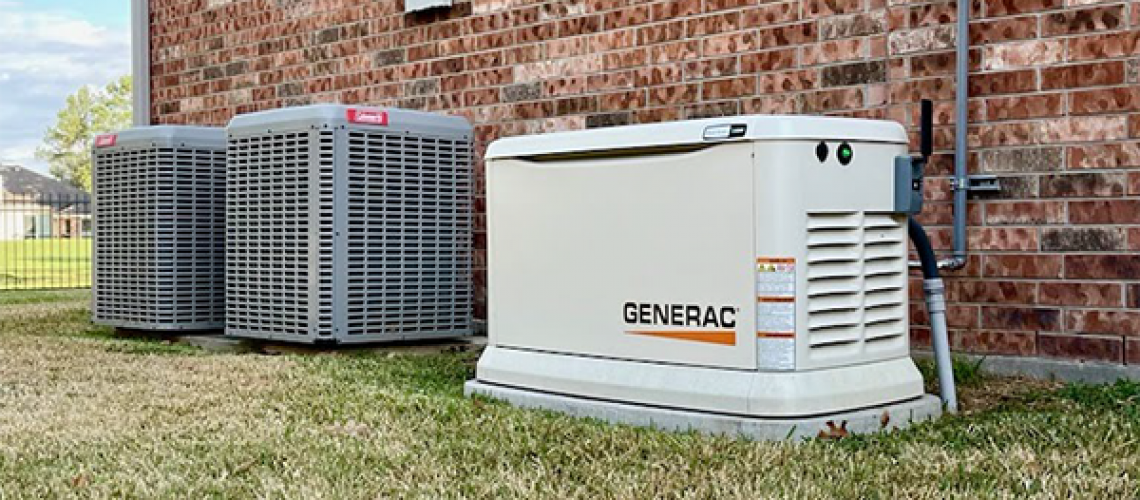
Electrical companies in Greensboro are often asked about generator runtime, as understanding how long a generator can operate continuously is crucial for planning backup power needs. Whether you’re dealing with extended power outages or need reliable power for work sites, knowing the factors that affect runtime helps you make informed decisions about generator use and maintenance. Several key elements influence how long a generator can run safely and efficiently, from the type of fuel it uses to environmental conditions. This guide explains the primary factors that determine generator runtime, enabling you to maximize the benefits of your backup power investment while ensuring your equipment operates safely for as long as needed.
Fuel Type
When selecting a fuel type for a generator, it’s important to consider factors such as efficiency, availability, and environmental impact. Efficiency refers to how well the fuel can convert into usable energy, affecting the overall performance and cost-effectiveness of the generator. Availability is important, as some fuel types may be more readily accessible in certain regions, ensuring a constant power supply. Environmental impact assesses the ecological footprint of the fuel, taking into account emissions and sustainability. Diesel, for example, is known for its high efficiency but can be pricier and emit more pollutants. On the other hand, propane burns cleaner but may require specialized storage. Careful consideration of these elements is important for selecting the most suitable fuel type for your generator.
Generator Size
Considering the impact of the fuel type on efficiency, availability, and environmental factors, the next aspect to evaluate in generator selection is the appropriate generator size. Generator size is important as it directly influences the power output capacity and runtime of the generator. The size of a generator is typically measured in kilowatts (kW) and is determined by the electrical load it needs to support. To ensure optimal performance, it’s essential to select a generator size that can handle the expected load without being under or over-sized. An undersized generator may struggle to meet the demand, leading to potential damage, while an oversized generator can result in inefficiencies and increased fuel consumption. Therefore, determining the right generator size based on anticipated load requirements helps maximize efficiency and runtime.
Load Capacity
The assessment of load capacity plays a crucial role in determining the optimal generator size for optimal performance. Understanding the load capacity refers to the maximum amount of power a generator can handle efficiently and effectively. It’s essential to match the generator’s load capacity with the electrical load requirements to prevent overloading, which can result in inefficient fuel consumption, overheating, and potential damage.
Factors such as starting watts and running watts of appliances, motors, and equipment connected to the generator influence the load capacity. Calculating the total wattage of all devices that the generator may simultaneously power helps determine the required load capacity. Oversizing the generator can lead to underloading, resulting in inefficient fuel consumption and increased maintenance requirements. On the other hand, undersizing can result in overloading, which can lead to potential breakdowns.
Maintenance Schedule
Our generator’s best performance depends greatly on following a well-organized maintenance schedule. Regular maintenance activities, such as checking oil levels, inspecting filters, and testing battery conditions, are essential to ensure the generator operates properly. It’s recommended to follow the manufacturer’s guidelines for maintenance intervals and procedures. Scheduled oil changes, spark plug inspections, and air filter replacements contribute to the longevity and efficiency of the generator. Monitoring fuel quality, tightening connections, and inspecting for leaks are necessary tasks that should be included in the maintenance schedule. By carefully following a structured maintenance plan, we can minimize the risk of unexpected breakdowns, extend the generator’s lifespan, and optimize its performance during operation.
Environmental Conditions
Proper evaluation of environmental conditions is important for maximizing our generator’s performance and longevity. Factors such as temperature, humidity, altitude, and exposure to the elements can significantly impact the generator’s efficiency. High temperatures can lead to overheating, reducing the generator’s efficiency and potentially causing damage to its components. Similarly, high humidity levels can promote corrosion, affecting the generator’s electrical connections and overall functionality. Altitude is another important aspect to consider, as generators can experience decreased performance at higher elevations due to lower oxygen levels affecting combustion. Exposure to elements such as rain, snow, or dust can also accelerate wear and tear on the generator, necessitating more frequent maintenance. By carefully monitoring and adapting to these environmental conditions, we can make sure our generator runs at its best and lasts longer.
Related Topics: