
GFCI outlets, or Ground Fault Circuit Interrupters, are like a safety net for anyone using electricity near water. They help prevent shocks and fires by spotting any weird flow of electricity and shutting off power really fast. You know, it’s the little things that can save your laptop or even your own hand from a nasty shock. If you’re curious, a professional who offers expert electrical services can show you exactly how they fit into your home’s system and make sure everything’s safe.
They have a test button, which is handy if you want to check that they’re working. Usually, you find them in kitchens, bathrooms, and places where water and electricity might meet. It sounds simple, but knowing how and where they work is kind of crucial for safety.
The Basics of GFCI Outlets
The basics are pretty straightforward. A GFCI watches the electricity in a circuit constantly. If it notices anything off, it cuts the power immediately. That could be a tiny imbalance, someone touching a live wire by accident, or a water splash hitting an outlet.
They’re mostly installed where water and electricity are close, like kitchens, bathrooms, and outdoor areas. And that test button? It’s not just for show. Pressing it makes sure the GFCI can still do its job if trouble happens. These outlets are just one of those small safety things that make a big difference.
How GFCIs Prevent Electrical Shocks
They detect if the current is weird or uneven and immediately stop it. The response is crazy fast, like within a fraction of a second. Enough to prevent serious injury, which is amazing when you think about it.
Even a little irregularity, like your hand brushing a live wire, triggers it. That split-second shutdown is what keeps shocks from turning into serious accidents. It’s kind of comforting to know something so small is constantly watching your electricity.
Where GFCIs Are Required
You’ll usually see them in kitchens, bathrooms, outdoors, and sometimes garages or basements, anywhere damp or prone to water. Electrical codes actually require them in these spots because water plus electricity is never a good mix.
Also near sinks, laundry rooms, and crawl spaces. Even if the area might get splashes, it’s safer to have a GFCI there. Knowing where they’re needed isn’t just about following rules; it’s about keeping your family and gadgets safe.
Different Types of GFCI Outlets
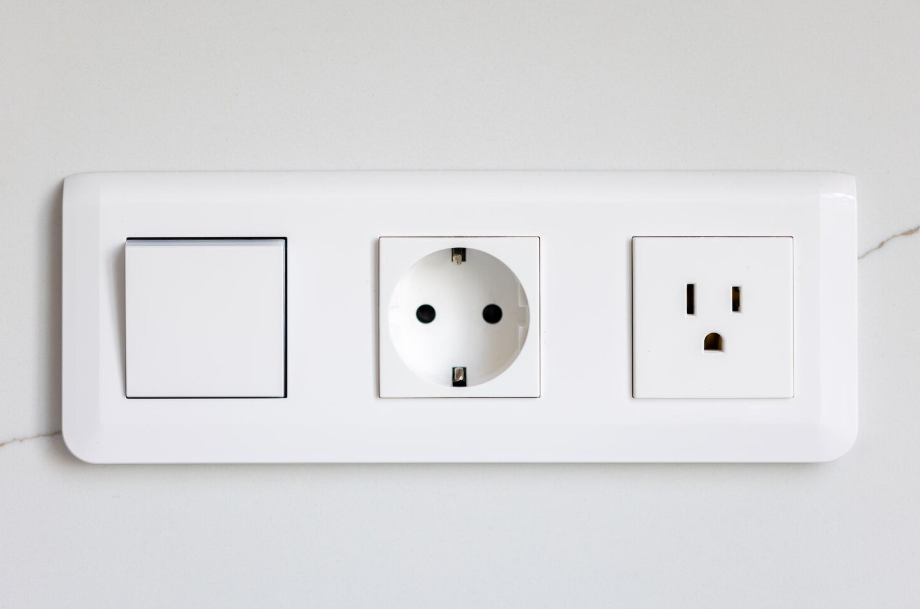
There are a few kinds, and each has its purpose. Receptacle GFCIs are the most common; they replace a standard outlet and protect whatever you plug in. Circuit breaker GFCIs go in your panel and protect the whole circuit.
Then there’s portable GFCIs, which you can plug in anywhere for temporary protection. They’re great if you have an older home or need protection in a tricky spot. It’s worth knowing the difference, so you pick the right type for the right place.
Testing and Resetting GFCI Outlets
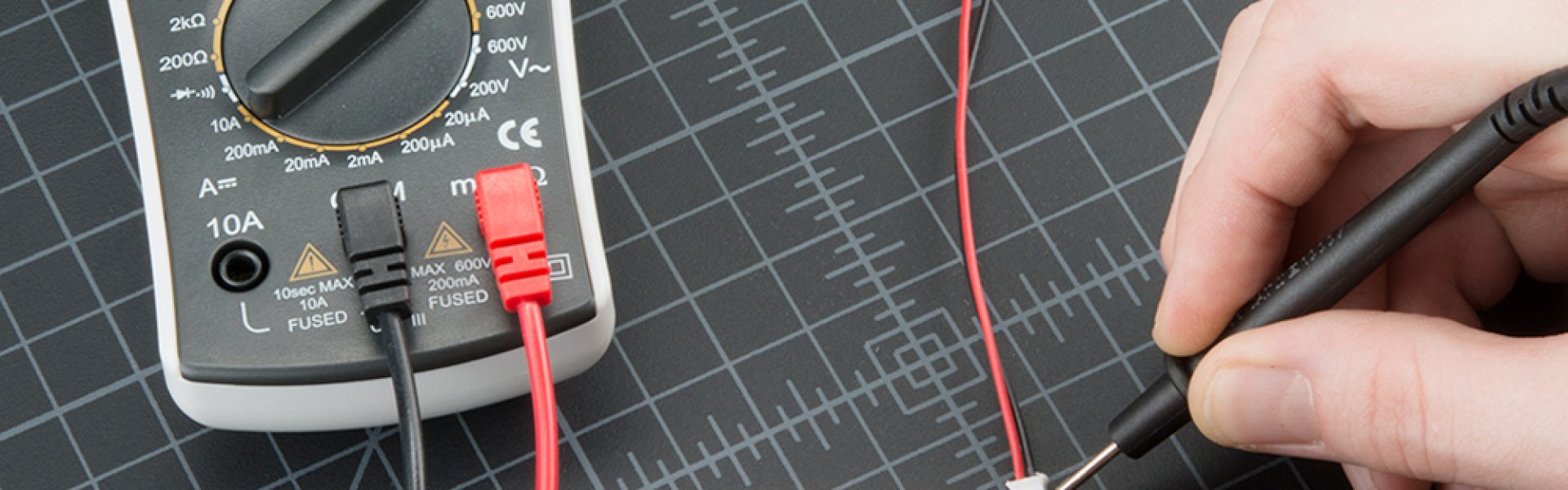
Testing them isn’t complicated. You press the test button, and the power should cut off. Then you can check with a device or tester to make sure it really turned off.
Resetting is just pressing the reset button, and you’re back in business. Doing this occasionally makes sure your GFCIs will work if a real problem happens. It’s kind of like checking smoke detectors; they need a little attention now and then.
Importance of Proper GFCI Installation
Installing them properly is really key. If it’s wired wrong, it might not protect you at all. You need to connect the line and load wires correctly, secure everything, and test after installing.
If you’re not sure, calling an electrician who offers expert electrical services is the safe way to go. A small mistake can leave the outlet useless or even dangerous. Correct installation is what turns a simple outlet into real protection against shocks and fires.
Related Topics: