
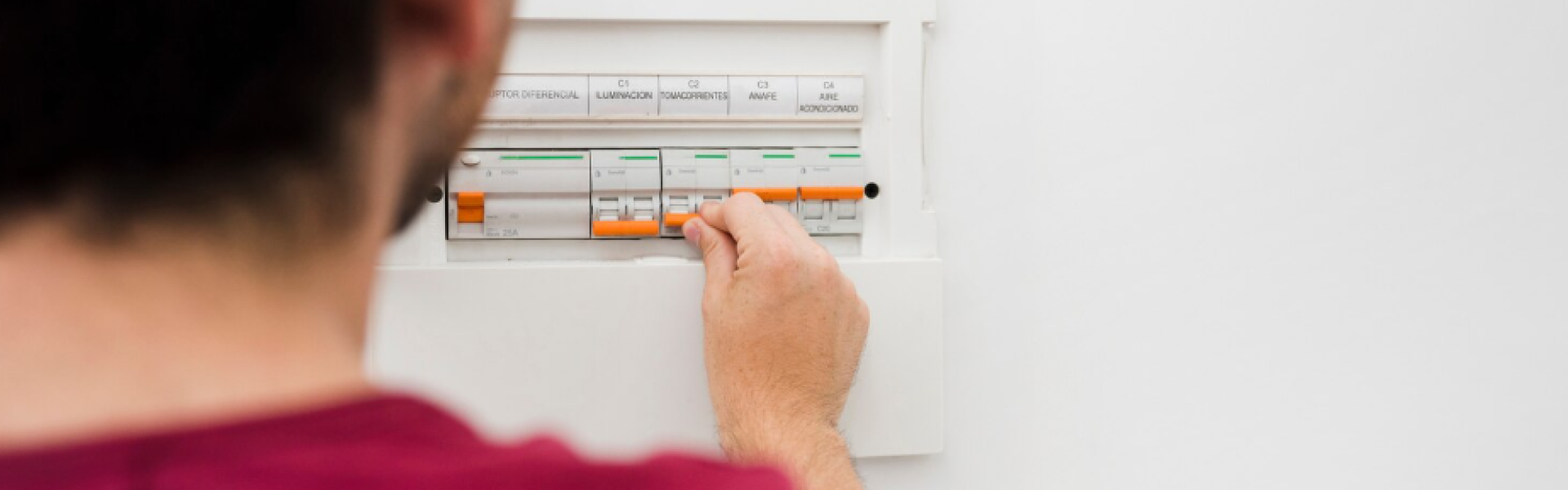
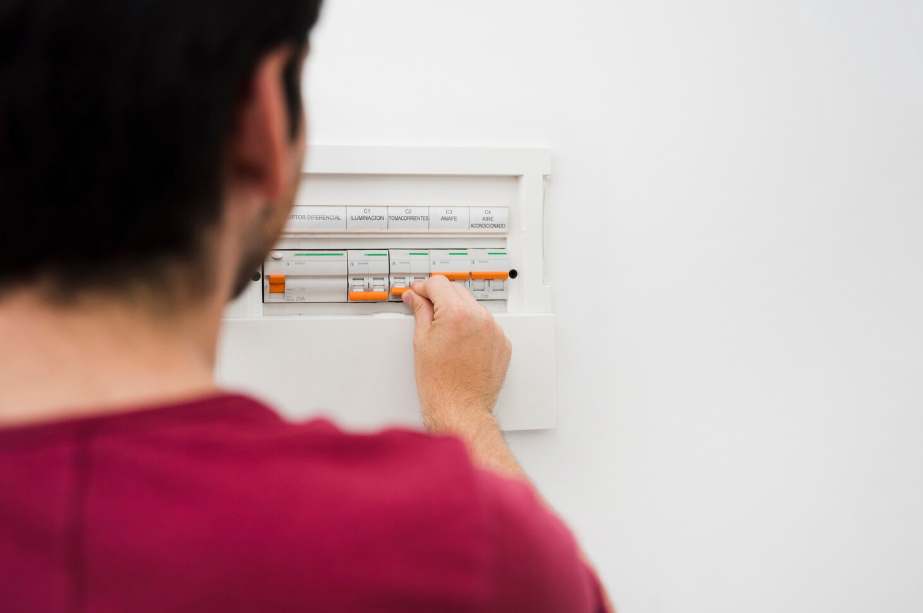
If your circuit breaker keeps tripping, there are a few things that might be going on. Sometimes it’s overloaded circuits, sometimes it’s a short or ground fault, maybe even a misbehaving appliance, or the breaker itself is just old. A lot of people try to guess, but calling in trusted electrical services saves time and stress. Still, it helps to know what to look for.
Often, moving things around, checking cords, or seeing if one device keeps causing trouble gives you clues. You can figure out a lot just by paying attention, but it’s always better to be safe than sorry.
Overloaded Circuits
One of the most common reasons a breaker trips is that too many things are running on one line. It’s easy to plug in a bunch of stuff and forget how much power it’s drawing. If outlets on the same circuit start to feel warm, or lights flicker, that’s a hint you’re overloading it. Pull a few plugs, spread them out, and see if that helps.
Sometimes adding a new circuit is the only way to really fix it, and that’s when a licensed electrician comes in. Extension cords and daisy-chained power strips only make it worse, so try to avoid that.
Short Circuit
A short happens when two wires that shouldn’t touch touch. Hot to neutral, hot to hot, that kind of thing. The breaker trips to stop too much current from flowing and creating heat or sparks. You can sometimes spot a short by looking for exposed wiring or burn marks.
Testing continuity with a multimeter can help, but if you’re not sure, it’s smart to get an electrician involved. Fixing the wiring carefully usually solves the problem, though it can take patience to find exactly where it’s happening.
Ground Fault
Ground faults are trickier. Electricity is finding a path it shouldn’t, usually from a live wire to the ground. Moisture, damaged insulation, or wiring mistakes often cause it. You can test circuits for continuity to see where the problem is, then isolate the section that’s causing trips.
Once you know which part is bad, replacing wires or fixing connections usually stops the breaker from flipping. Always turn the power off before touching anything. It’s easy to forget, but it’s essential.
Faulty Appliances
Sometimes the culprit isn’t the wiring at all; it’s an appliance drawing more power than it should. Microwaves, fridges, heaters, and even a blender can trip a breaker if something inside is failing.
Unplug everything, reset the breaker, and plug devices back in one by one. When the breaker trips again, you’ve found the problem. Check cords, plugs, and smells burning or scorched parts are a giveaway. Keeping appliances in good shape avoids surprises.
Aging Circuit Breaker
Breakers don’t last forever. Over time, they get worn and trip when they shouldn’t. Look for discoloration, burn marks, or corrosion. You can test them, but if they’re old or unreliable, replacement is usually the best solution. This little maintenance step prevents repeated trips and keeps your home safe.
Wiring Issues
Faulty wiring can cause almost any breaker problem. Loose connections, frayed wires, or wires that are too small for the load all create trips. Inspecting carefully and fixing or replacing damaged sections stops repeated problems.
Sometimes it’s obvious; sometimes you have to trace the circuit bit by bit. Either way, fixing wiring issues keeps your system safe and reliable.
Related Topics: