
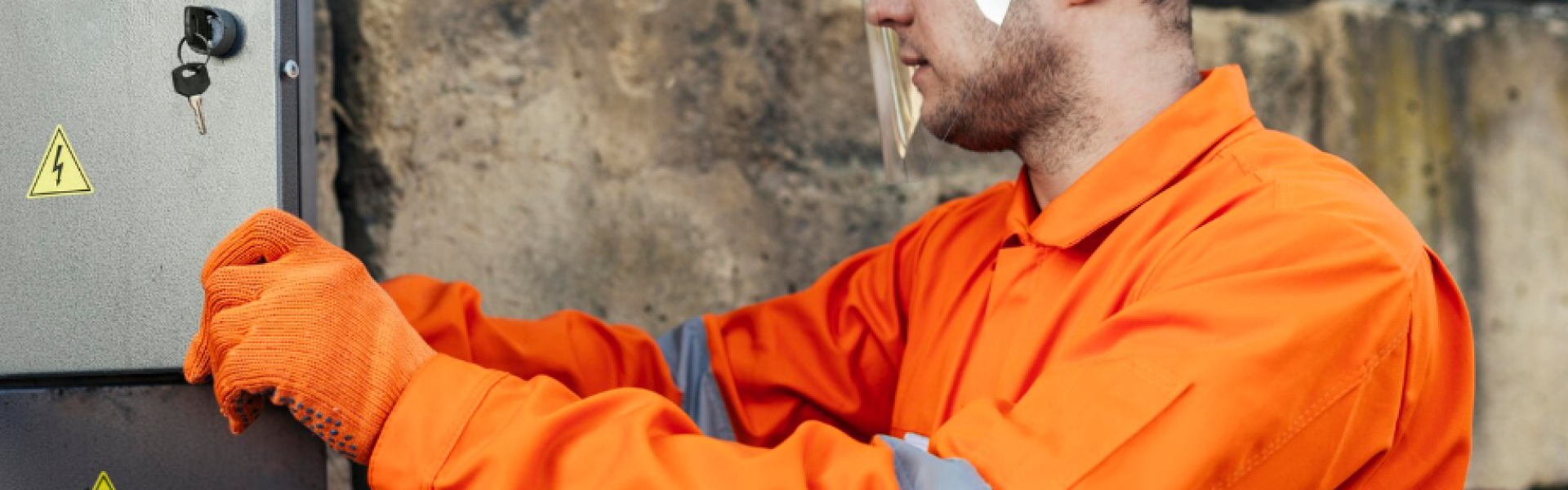

Electrical work can be tricky, and honestly, the most significant rule is simple: never work on live circuits. People sometimes forget or rush, and that’s when accidents happen. Even a small voltage can give you a nasty shock or, worse, burn you. Handling a live circuit also raises the chances of starting a fire without realizing it.
That’s why using reliable electrical services is a smart move; you get someone who knows the risks and handles things safely. Always make sure the power is off before touching anything. Double-check and test it, and if something feels off, stop and reassess. Safety isn’t optional.
Understanding Electricity’s Power
Electricity has a way of getting under your skin, literally, so understanding it helps a lot. It flows through wires, and if you’re not careful, it can do severe damage. Voltage is what pushes the current along, while current is the actual movement of electrons. Resistance slows it down and turns some energy into heat. Power, measured in watts, is basically how fast energy is moving in a circuit.
Knowing these things isn’t just schoolwork stuff; it helps you figure out what could go wrong, what kind of tools you need, and how to troubleshoot problems safely. It’s like having a map before wandering into a tricky neighborhood.
Never Work on Live Circuits
Working on a live circuit is asking for trouble. Even low-voltage lines can mess with your heart or cause burns. Higher voltages? That’s instant danger. Accidental shorts or overloads can start fires, and even experienced electricians don’t take chances.
The safest move is always to turn the power off first. Lockout-tagout procedures help, and using a voltage detector can give that extra reassurance. Treat every wire as if it’s live until you know otherwise, because assuming it’s safe is a fast way to get hurt.
Use Proper Insulation and Equipment
Having the proper insulation and tools makes a huge difference. Worn or faulty insulation is an accident waiting to happen. Equipment should be rated for what it’s actually handling; otherwise, it can overheat and fail.
And personal protective gear isn’t just a suggestion. Gloves, goggles, and even insulated boots all reduce the risk of shocks and arc flashes. Little details like this might feel tedious, but they save a lot of pain and trouble later.
Regular Maintenance and Inspection
Electrical safety isn’t just a one-time thing. Systems need to be checked regularly, including wires, outlets, breakers, and the whole setup. Look for frayed wires, loose connections, and signs of heat, or wear.
Test the safety devices too, like GFCIs and circuit breakers, to make sure they’re doing their job. Keeping a consistent maintenance routine stops minor issues from becoming significant hazards. Sometimes it’s a minor fix; sometimes it’s spotting a problem before it blows up. Either way, it pays off.
Respect Electrical Warning Signs
Those warning signs aren’t decorations; they’re there for a reason. If you see one, take it seriously. Wear the protective gear it calls for, keep your distance if you’re not supposed to be near, and report any damaged or missing signs so no one else gets hurt. Ignoring them is a fast track to trouble, and electricians don’t want anyone taking chances unnecessarily.
Educate Others on Safety Practices
Talking about safety isn’t just for new workers. Everyone benefits from reminders about handling equipment, spotting risks, and what to do in emergencies. Keeping signage visible helps, too, because people forget. Encourage questions, and make sure concerns are addressed quickly.
Safety culture grows when people share what they know, point out hazards, and keep each other accountable. The more people understand, the fewer accidents happen, and that makes the workplace better for everyone.
Related Topics: