
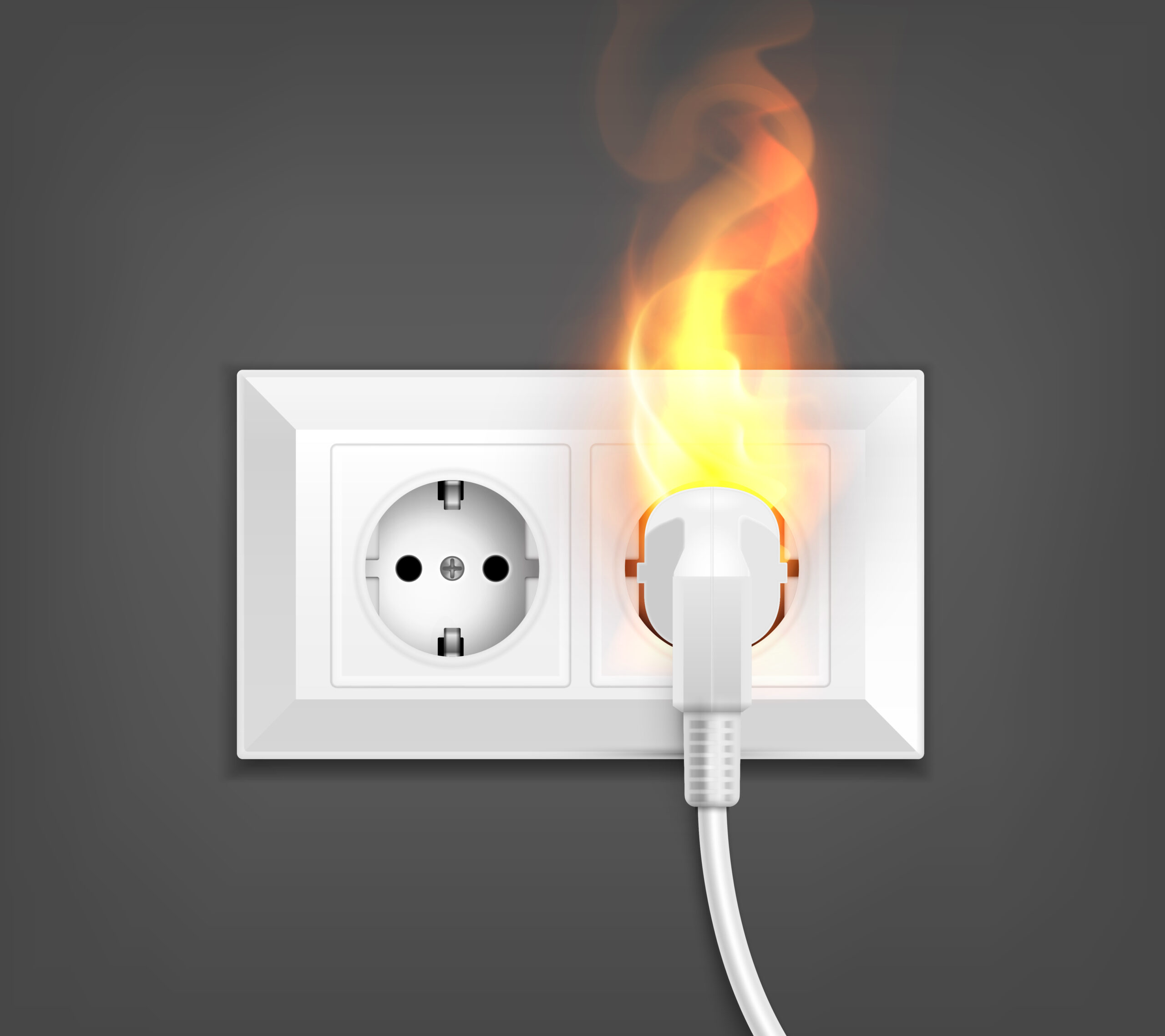
Electrical fires happen when electrical systems fail or get overloaded in homes and businesses. These dangerous fires can start from several common problems that many people overlook. Understanding what causes these fires helps you protect your property and family from serious damage. Working with reliable electricians for regular checkups and repairs makes your electrical system much safer. This guide explains the main causes of electrical fires and shows you simple ways to prevent them.
Common Causes of Electrical Fires
Overloaded circuits cause most electrical fires in homes. When too much electricity flows through a circuit, it creates heat that can start fires. This happens when people plug too many things into one outlet or circuit. Extension cords and power strips also cause fires when used incorrectly. People often plug too many devices into these items, making them overheat and spark. The best way to prevent this is to spread your electrical devices across different outlets throughout your home. Check your electrical system often and fix problems right away to stay safe.
Faulty Wiring and Outdated Systems
Bad wiring and old electrical systems create serious fire risks. Wiring problems happen from poor installation, normal wear, or damage from pests like mice. You can spot wiring issues when lights flicker, circuit breakers trip often, or outlets look burned or discolored. Old electrical systems that don’t meet today’s safety rules are especially dangerous. Many older homes have wiring that can’t handle modern electrical needs. Having a qualified electrician check your system regularly helps find and fix these problems quickly. Updating old systems to meet current safety codes protects your home from electrical fires.
Overloaded Circuits and Power Strips
Too much electricity flowing through circuits and power strips causes many home fires. Circuits have limits on how much electricity they can handle safely. When you go over this limit, the wires get hot and can catch fire. Power strips are helpful but dangerous when overloaded. Many people plug too many things into one power strip without thinking about the risk. Never connect multiple power strips, as this makes overloading more likely. Watch for signs like hot power strips, burning smells, or melted plastic. Spread your electrical devices across different outlets to prevent circuit overload.
Malfunctioning Electrical Appliances
Broken appliances often start electrical fires in homes. Problems like damaged cords, broken plugs, or worn-out parts inside appliances can cause short circuits and overheating. Check your appliances regularly for signs of damage or wear. Make sure appliances have enough space around them for air flow, and follow the maker’s instructions for use and care. If an appliance smells strange, makes sparks, or gets too hot, unplug it right away and have it checked by a professional. Don’t use damaged appliances, as they can quickly start fires. Taking care of your appliances and replacing old ones helps prevent electrical fires.
Poor Maintenance Practices
Failing to maintain electrical systems properly increases fire risks. Many people ignore warning signs or skip regular maintenance, which can lead to dangerous problems. Here are maintenance mistakes that can cause electrical fires:
- Not checking wiring regularly: Old wiring can develop cracks, loose connections, or exposed areas that cause fires
- Ignoring warning signs: Flickering lights, tripped breakers, or burning smells mean you need immediate attention
- Not cleaning electrical equipment: Dust and dirt buildup cause overheating and short circuits
- Skipping professional inspections: Trained electricians can find problems before they become dangerous
Effective Prevention Strategies
Checking and maintaining your electrical system regularly prevents most electrical fires. Schedule inspections to find faulty wiring, overloaded circuits, or damaged appliances before they cause problems. Make sure all electrical work follows local building codes and uses quality materials. Teach everyone in your home about electrical safety, like not overloading outlets and using appliances correctly. Install ground fault circuit interrupters (GFCIs) in wet areas like kitchens and bathrooms for extra protection. These simple steps greatly reduce your risk of electrical fires and keep your home safe.
Related Topics: