
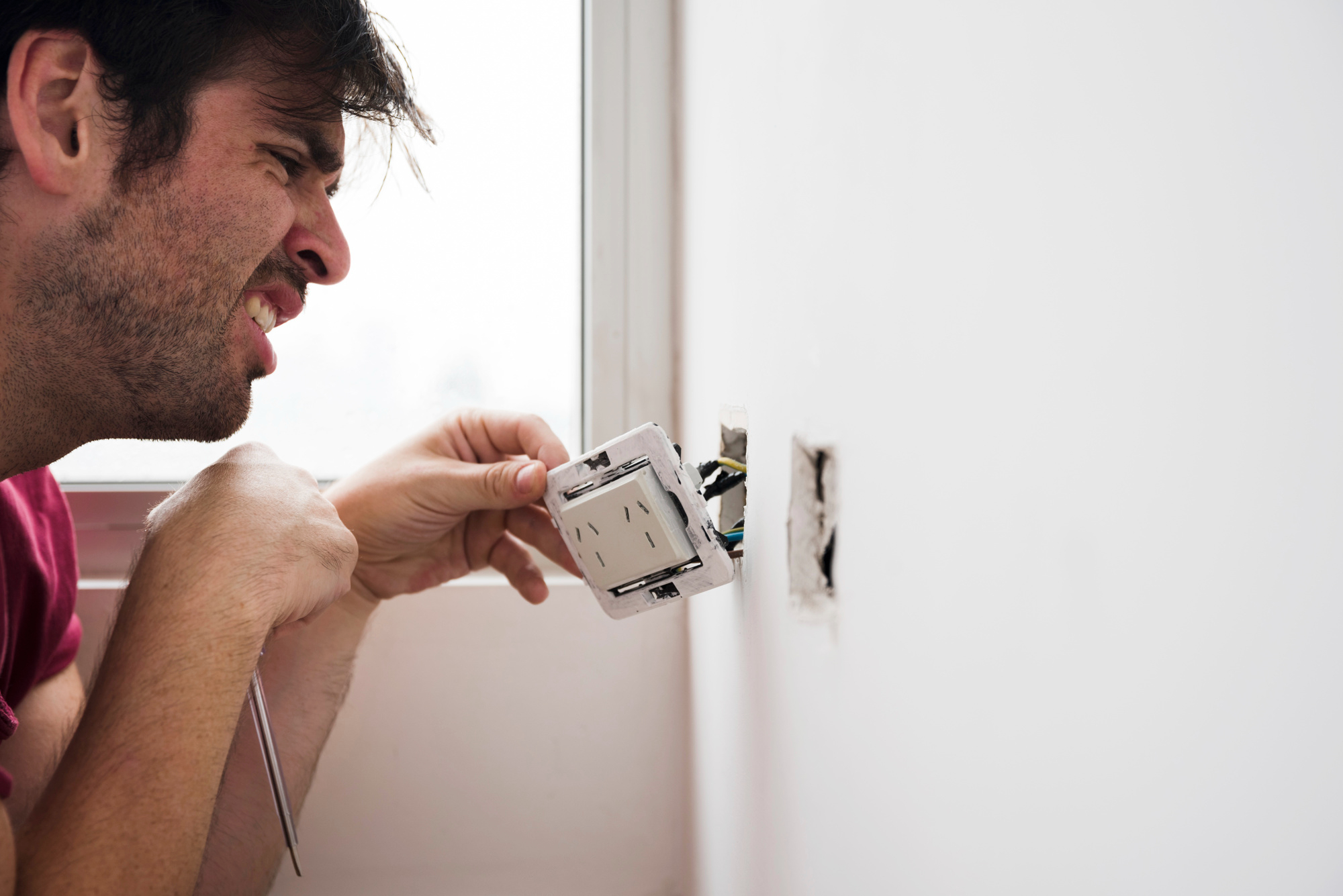
Installing an electrical outlet is a task that requires attention to safety and proper technique, especially when hiring an electrical services company isn’t an option. This guide walks you through the basic steps needed to install an outlet in your home safely. We’ll cover important safety steps, required tools, power shutdown procedures, removing old outlets, and installing new ones. These simple instructions help beginners complete this project safely and correctly.
Safety Precautions
Taking proper safety steps prevents accidents and helps ensure your project goes smoothly. Always turn off the power at the circuit breaker first to avoid an electric shock. Use a voltage tester to make sure wires have no power before you start. Wear insulated gloves and safety glasses to protect yourself during the installation process. Keep your work area well-lit and dry to prevent problems. Avoid overloading circuits by understanding the electrical load each outlet can handle. Check all connections and wiring before turning power back on. Following these safety rules helps ensure a safe installation of electrical outlets.
Tools and Materials Needed
Getting the right tools and materials ready makes the installation process much easier.
Tools and Materials Required:
- Screwdriver set with insulated grips
- Voltage detector
- Wire stripping tool
- Electrical outlet kit
A screwdriver set with insulated grips keeps you safe from electrical shocks. A voltage detector checks that the power is off before you start. A wire stripping tool helps you safely remove wire insulation. An electrical outlet kit provides all the necessary parts for installation. Having these tools ready helps you work with confidence on your electrical outlet project.
Turn Off the Power Supply
Make sure the power supply to the electrical outlet is safely turned off before starting any installation work. This important step keeps you safe and prevents electrical accidents during installation. Find the circuit breaker panel in your home. Look for the circuit that controls your outlet and switch it off by flipping the breaker to the ‘off’ position. Use a voltage tester to verify that no power is flowing to the outlet. Even if the outlet looks inactive, always treat it as live until you confirm it’s safe. Taking these steps creates a secure environment for your electrical work.
Remove Old Outlet
Start by carefully unscrewing the faceplate of the old outlet with a screwdriver to expose the inner wiring.
- Inspect Wiring: Look for any damage or wear on the wires
- Turn Off Power: Make sure power is switched off at the circuit breaker to prevent accidents
- Loosen Terminal Screws: Use the right screwdriver to loosen screws holding wires in place
- Disconnect Wires: Gently pull wires from terminals and remember their positions for the new outlet
Install New Outlet
After ensuring the power is off, connect the new outlet by matching the wires with their corresponding terminals. Connect the black (hot) wire to the brass terminal screw, the white (neutral) wire to the silver terminal screw, and the bare copper (ground) wire to the green screw. Tighten screws firmly to make sure they connect properly. Gently fold wires back into the electrical box without pinching or damaging them. Line up the outlet with the screw holes on the electrical box and secure it with screws. Double-check that all wires are connected correctly and that nothing is loose. Once everything is secure, turn the power back on and test your new outlet to ensure it is functioning properly.
Related Topics: