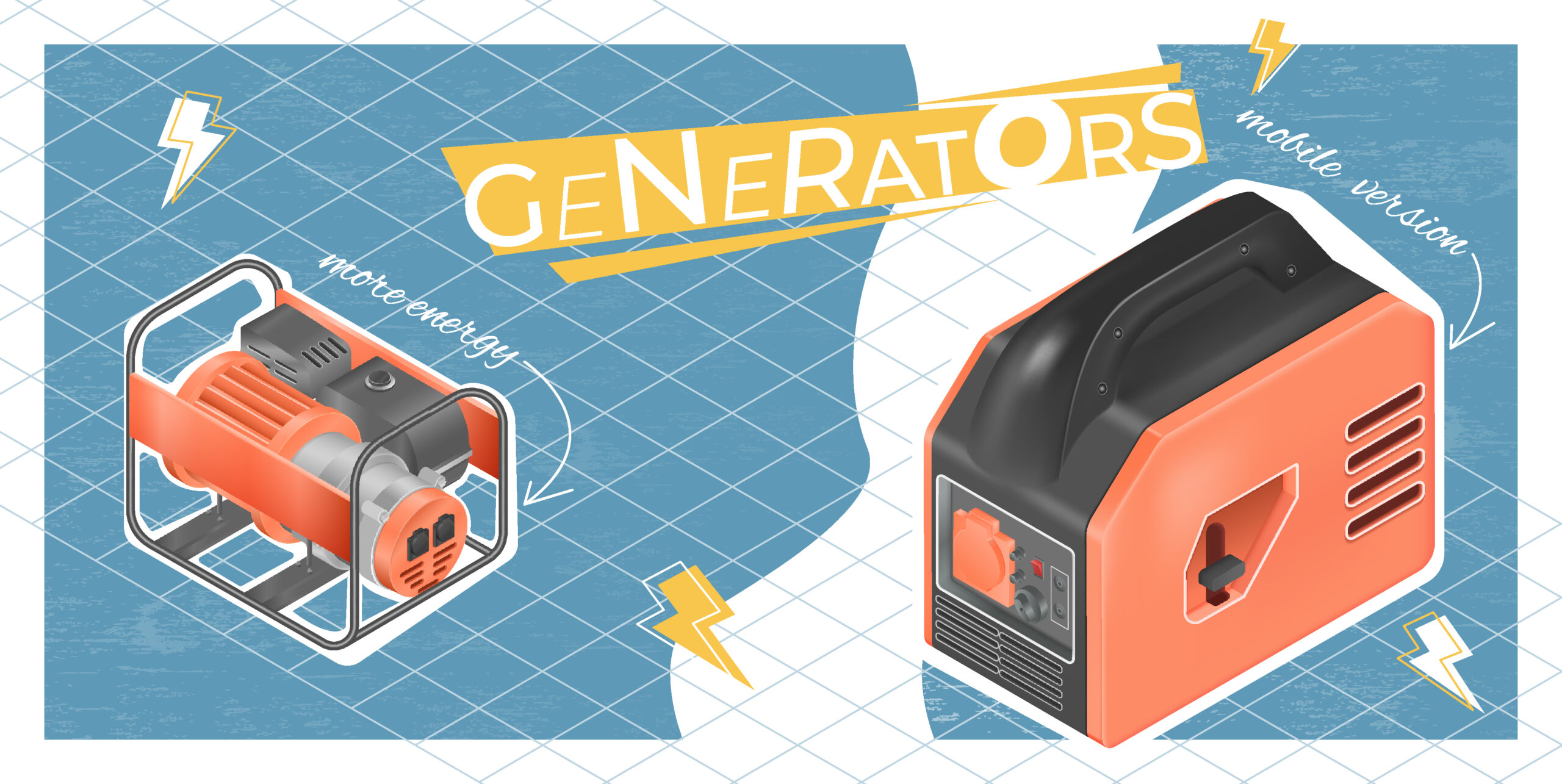
This guide explains how generators create electricity from mechanical energy. We’ll cover the basic parts, how magnetic fields work, energy conversion steps, and electrical output. You’ll learn about voltage control and real-world uses. Understanding these concepts helps you see how generators power homes and businesses during outages or in remote areas. For professional installation and maintenance, contact the best electrical company in your area.
Generator Fundamentals
Generators change mechanical energy into electrical energy using electromagnetic induction. This process follows Faraday’s law, which says a changing magnetic field creates an electrical force in a conductor. A generator has three main parts: a rotor, a stator, and a mechanical energy source. When the rotor spins inside the stator’s magnetic field, it creates an electrical current in the conductors. This current flows through the generator’s wiring to make usable electricity. The spinning motion and magnetic field work together to produce power for electrical systems.
Magnetic Field Generation
Creating a magnetic field starts the electricity-making process. This happens when direct current flows through a wire coil wrapped around iron or steel material. The moving electrons in the wire make a magnetic field around it. The iron core makes this magnetic field stronger. By changing the current flowing through the coil, you can control the magnetic field strength. This magnetic field is needed to create electricity through electromagnetic induction when it interacts with the conductors.
Mechanical Energy Conversion
The process of changing mechanical motion into electrical energy happens in several steps:
- Rotor Rotation: A turbine or engine provides mechanical power to spin the generator’s rotor.
- Magnetic Field Induction: As the rotor turns, it creates a magnetic field in the stator windings, making electrons move.
- Electric Current Generation: Moving electrons create electric current in the stator windings, producing the generator’s electrical output.
These steps work together to change mechanical energy into electrical energy inside the generator efficiently.
Electrical Output Generation
When the rotor spins, it creates a changing magnetic field that cuts through the stator windings. This produces alternating current (AC) electricity. The AC flows to external circuits through the generator’s output connections. The AC frequency depends on the generator’s speed. The number of wire windings and magnetic field strength determine the output voltage and current levels. Proper engineering of these parts ensures the generator produces the right amount of power efficiently.
Voltage Regulation Mechanisms
Generators use several methods to keep voltage steady when power demands change:
- Automatic Voltage Regulator (AVR): Uses feedback control to adjust the generator’s field current, keeping output voltage constant even when load changes.
- Synchronous Impedance Method: Controls generator excitation by adjusting reactance, keeping voltage within proper limits.
- Droop Control: Used when multiple generators work together, slightly reducing voltage as load increases to maintain system stability and balance power sharing.
Applications and Impacts
Generators provide backup power during outages and keep critical facilities like hospitals and data centers running. They also supply electricity in remote areas without grid connections. Proper sizing and installation are important for reliable operation and preventing system overload. Poor maintenance can cause voltage problems and equipment damage. The fuel type affects emissions and environmental impact. Understanding generator applications helps ensure a reliable power supply in many different situations.
Related Topics: